
Wheelchair Travel Insurance Guide for Real Trips
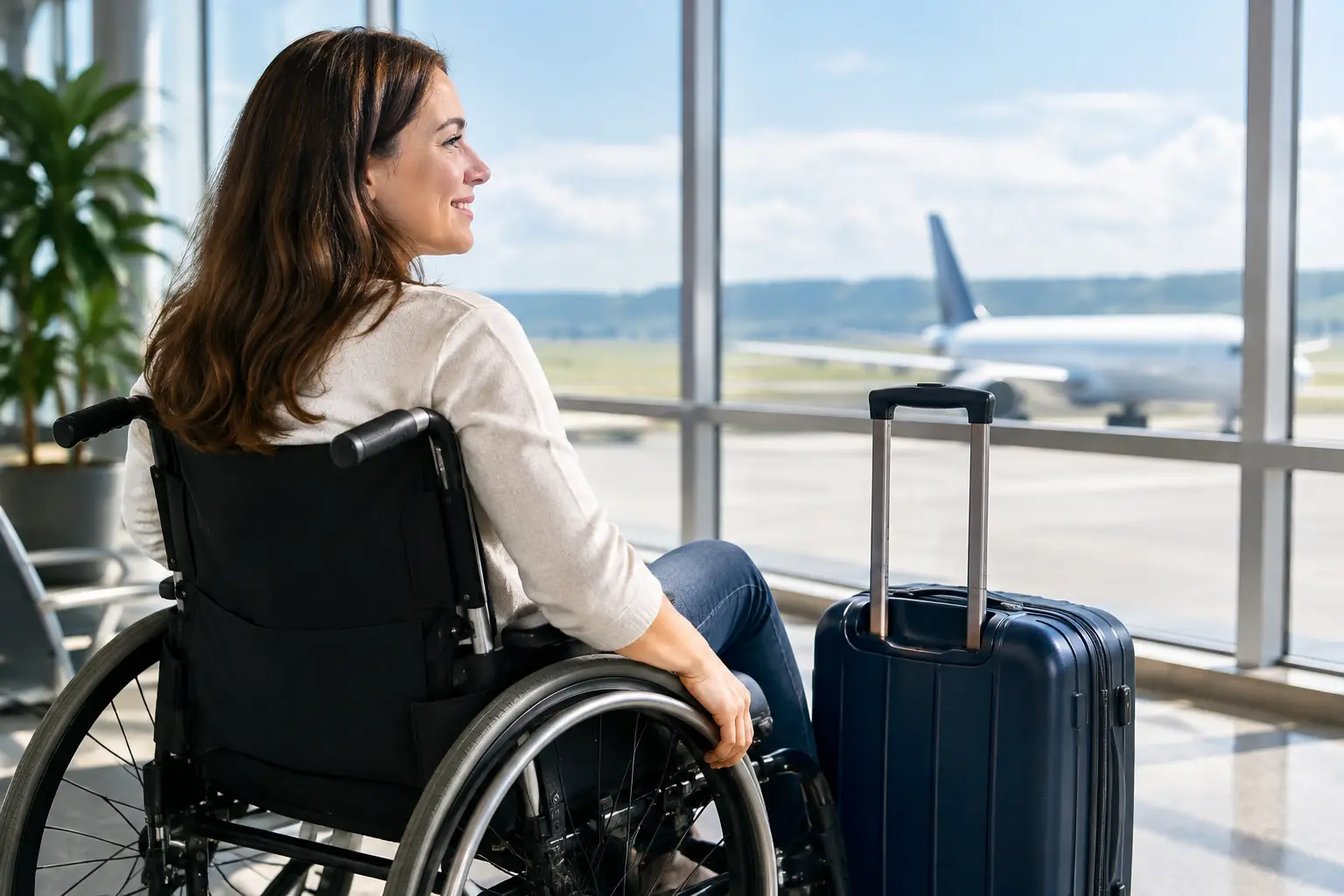
A wheelchair travel insurance guide is not the exciting part of planning a holiday, but it can be the difference between a problem being manageable and a problem becoming expensive, stressful and isolating. Accessible transport, a suitable hotel room and reliable mobility equipment take work to arrange. Your insurance needs to reflect that reality, rather than treating your wheelchair or health condition as an afterthought.
A cheap policy that looks fine on a comparison screen can be useless if it excludes the medical condition that affects your travel, offers a tiny equipment limit or leaves you without the help needed to get home. The aim is not to find the cheapest box to tick. It is to find cover that works for the way you actually travel.
What a wheelchair travel insurance guide should cover
Start with medical cover, but do not stop there. If you use a wheelchair because of a long-term condition, injury or illness, you will usually need to declare it. That includes conditions which feel stable, controlled or unrelated to the reason for your trip. Insurers ask their questions in different ways, so answer them carefully and honestly. If you are unsure whether something counts, ask the insurer before buying and keep a record of the answer.
This can feel intrusive, especially when your condition has nothing to do with why you may need treatment abroad. Unfortunately, failing to declare it can give an insurer grounds to refuse a claim. It is better to deal with awkward questions at home than discover a gap in cover from a hospital bed overseas.
Look closely at the medical expenses limit and, just as importantly, the emergency assistance service. A good policy should include 24-hour help, hospital treatment, repatriation to the UK where medically necessary, and cover for a travelling companion to stay or travel with you if you cannot manage alone. If you normally travel with a partner, carer or family member because you need practical assistance, check the wording rather than assuming they are covered in every circumstance.
The GHIC is worth taking for travel to eligible European countries, but it is not travel insurance. It may help you access state-provided healthcare, yet it will not cover private treatment, an accessible room for a longer stay, replacement flights, bringing someone home with you or returning your equipment. Take it as part of your preparation, not as a substitute for insurance.
Your wheelchair is not ordinary luggage
A manual chair, powered wheelchair or mobility scooter is often your independence, not simply a possession with a price tag. Standard personal-belongings cover may have a low single-item limit that falls nowhere near the cost of a chair, specialist seating, custom controls, batteries or essential accessories.
Read the equipment section line by line. Check the total limit, the single-item limit, theft and accidental-damage cover, and whether equipment is covered while it is being transported by an airline, cruise line, coach company or taxi. Some policies treat items left unattended very strictly. Others may exclude damage caused by a carrier, directing you to claim from the airline instead.
That distinction matters. Airlines have responsibilities when they damage mobility equipment, but a claim can take time and the process is not always straightforward. Insurance that helps with hire costs, repairs or a replacement while you are away can be valuable, provided the policy actually includes it. Do not assume the word ‘baggage’ means your chair is fully protected.
Powered equipment needs an extra check. Ask whether lithium batteries are covered and whether the insurer has conditions around storage, charging or transport. Also make sure you know your equipment’s make, model, serial number and replacement value. Keep photographs of the chair and any visible condition before flying. It is dull admin, but it is far easier to prove what was damaged when you have clear evidence.
Cancellation cover needs to match accessible travel costs
Accessible holidays can involve higher upfront costs than a standard break. You may have paid for an adapted room, a private accessible transfer, assistance at the airport, equipment hire, a cruise cabin or non-refundable attraction tickets. Add it all together before deciding on a cancellation limit.
A policy with £2,000 cancellation cover is no use if your holiday costs £4,500. The limit must cover the full prepaid, non-refundable cost of the trip for the people insured. Check whether the policy covers cancellation if your health changes, if a close relative becomes ill, or if your usual carer cannot travel for an insured reason.
There is a trade-off here. Higher cancellation limits and declared medical conditions can increase the premium. But underinsuring an expensive accessible trip to save a small amount is a false economy. Get a clear total for every part of the booking before you buy cover, particularly if you are arranging the holiday independently.
Check the practical detail before paying
Do not buy based on a headline such as ‘covers pre-existing conditions’. That phrase can mean the insurer has accepted your condition, excluded it, or offered cover only after a medical screening process. Read the policy schedule you receive after answering the questions. It should show what has been declared and any exclusions that apply.
It is also worth checking the excess. This is the amount you may have to pay towards a claim. A low premium with a high excess can be poor value if you would struggle to meet it after a lost chair part, cancelled transfer or medical bill. Consider whether an excess waiver is useful, but compare the extra cost against the likely benefit.
For many wheelchair users, these are the points worth confirming before purchase:
- medical conditions have been declared and accepted in writing;
- the cancellation limit covers the whole holiday cost;
- the wheelchair, scooter and accessories fit within the equipment limits;
- emergency assistance and repatriation cover your real support needs.
Also check the destination, duration and activities. European cover will not help on a trip to the USA, Thailand or Australia. Cruises may need specific cover, and some insurers apply different rules for winter sports, organised tours, long stays and travel against Foreign, Commonwealth and Development Office advice. If you are taking a mobility scooter, confirm that your planned excursions, accessible taxis and hotel storage arrangements suit its size and battery type too. Insurance cannot fix a journey that was impractical from the start.
If you need to make a claim abroad
Save the insurer’s emergency number in your phone and keep a printed copy in your hand luggage. If you are admitted to hospital, need to change travel plans because of illness, or require help getting home, contact the assistance team as soon as you can. They may need to approve treatment, rearrange flights or organise additional support.
For stolen or damaged equipment, report the issue promptly. Get a written report from the airline, hotel, police or transport operator where relevant, and take photographs. Keep receipts for necessary expenses, including accessible transport or equipment hire, but check with the insurer before committing to a major cost where possible.
Carry copies of your policy, medication list, fit-to-fly information if relevant, wheelchair specifications and emergency contacts. If you use a powered chair, include battery details and charging requirements. This information can save precious time when staff are trying to understand what support you need.
Buy early, then travel with confidence
The best time to arrange travel insurance is usually when you book the holiday, not the night before departure. Buying early means cancellation cover is in place if your health changes or something affects your ability to travel before you leave. If your circumstances change after buying, tell the insurer. A new diagnosis, medication change or hospital referral can affect your cover.
No policy removes every risk, and no insurer can guarantee an accessible experience. What good cover does is give you a practical safety net when plans go wrong. Pair it with honest destination research, confirmed assistance and a travel plan built around your own needs. That is how you keep the focus where it belongs: on getting out there and enjoying the trip.
0 Comments
Leave a Comment