
10 Wheelchair Friendly Seaside Towns UK
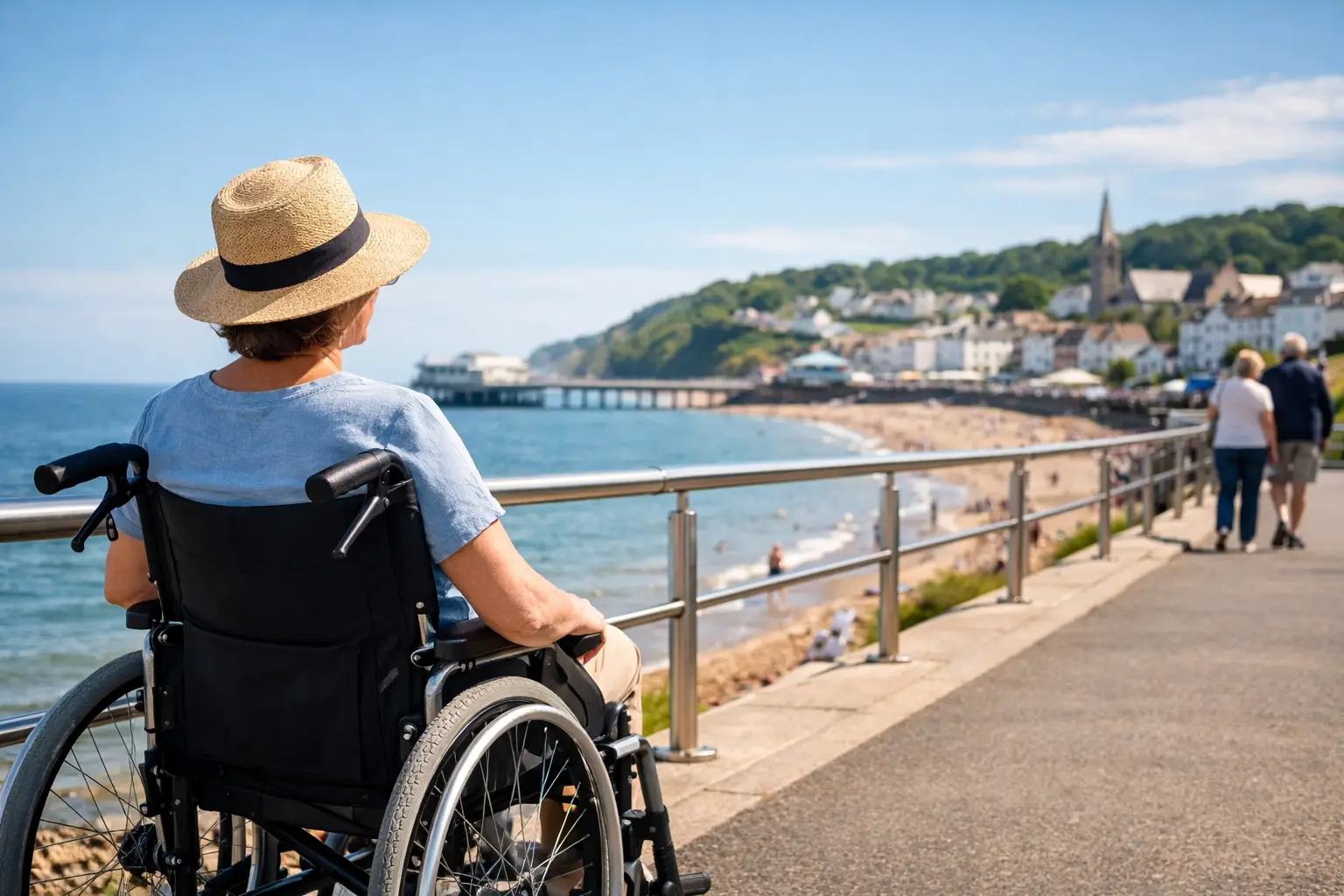
A good seaside break can fall apart quickly if the promenade is easy but the station has steps, the beach has no matting, or the loos are miles from where you actually want to be. That is why finding genuinely wheelchair-friendly seaside towns UK travellers can rely on matters so much. You do not need glossy brochures. You need places where moving around feels realistic, not like a constant negotiation.
This guide focuses on towns that are often stronger bets for wheelchair users, mobility scooter users and anyone planning with reduced mobility in mind. That does not mean every street, hotel or attraction will be perfect. Seaside towns in Britain are often a mix of level promenades, older buildings, steep side roads and patchy parking. The key is knowing where the easier stretches are and what to check before you go.
What makes a seaside town genuinely accessible?
For most disabled travellers, beach access is only one part of the picture. A town can advertise an accessible beach and still be awkward for an actual day out if dropped kerbs are inconsistent, pavements are broken, or accessible toilets are poorly placed.
The better seaside destinations tend to have a few things in common. They usually have a level or mostly level promenade, decent blue badge parking, accessible public toilets, and attractions or cafés that are not all reached by steps. Good transport links help too, especially if you are not driving. If you use a larger mobility scooter, width and turning space matter just as much as whether a venue calls itself accessible.
It also depends on the sort of trip you want. Some towns are best for an easy seafront roll and fish and chips. Others suit a longer stay with attractions, gardens or piers that are easier to access than average. That is the difference worth paying attention to.
Best wheelchair-friendly seaside towns UK travellers should consider
Bournemouth
Bournemouth is often one of the safer options for a coastal break if you want a long, usable seafront. The promenade is a big plus, with plenty of space and a layout that makes it easier to cover distance without constantly dealing with awkward surfaces.
The main trade-off is the cliff top setting. Some parts of town are hilly, and moving between the centre and the seafront needs planning. If lifts or accessible routes are out of service, that can change your day quickly. Still, if you stay close to the seafront or check your route in advance, Bournemouth can work very well.
Eastbourne
Eastbourne has a lot going for it because the seafront is broad, open and generally straightforward. For many wheelchair users, that makes a bigger difference than a town having lots of attractions on paper. If you can move around easily, the day is simply less tiring.
The promenade is one of its strongest points, and the town often feels more manageable than some older resorts. As always, the closer you stay to the areas you actually want to use, the easier the trip becomes. A hotel on a steep road can undo the advantage of a good promenade.
Blackpool
Blackpool is busy, but it is popular for good reason. The seafront is extensive, there is plenty going on, and the tram system can be a real advantage for covering distance if you do not want to rely on the car all day.
That said, Blackpool is not a quiet, tidy resort where everything feels relaxed. In peak season it can be crowded, and some side streets or older venues may be less straightforward than the main front. If your priority is entertainment and a lot of accessible movement along the coast, it is one of the strongest options.
Great Yarmouth
Great Yarmouth works well for travellers who want that traditional seaside feel without needing to tackle lots of gradients. The seafront areas are generally the main draw, and there is enough space in key parts to make getting about more comfortable than in tighter, older town layouts.
As with many resorts, the best experience comes from sticking close to the front rather than assuming the whole destination will be equally easy. Beach access may also vary depending on where you enter and what facilities are operating when you visit.
Southport
Southport deserves a look if you want a seaside town that feels a bit more spacious. The promenade and surrounding areas can be easier to navigate than in steeper or more cramped coastal spots, and the town has a reputation for being relatively manageable for a day out.
One thing to keep in mind is that Southport’s beach setting is a little different from places where the sea is right next to the promenade. If your ideal break is all about sitting by the water’s edge, it may feel less direct. If you want a practical, lower-stress town layout, it can still be a solid choice.
Llandudno
Although not in England, Llandudno is one of the better British seaside options for accessible travel planning and absolutely deserves a place here. The promenade is a major strength, offering long, level stretches and a layout that suits wheelchairs and scooters far better than many smaller coastal towns.
The wider area has some slopes once you move away from the front, so where you stay matters. Choose the wrong location and you may spend more time managing hills than enjoying the break. Choose well, and Llandudno can feel refreshingly straightforward.
Scarborough
Scarborough can work, but it is a classic example of why details matter. Parts of the seafront and some visitor areas are usable, and there is enough here to make the town appealing. However, the split between different areas of the resort and the gradients involved mean it is not as simple as some flatter coastal towns.
If you are considering Scarborough, it is worth checking exactly which part of town your accommodation is in and how you will get between the front, attractions and parking. It is a destination where a little planning makes a big difference.
Weston-super-Mare
Weston-super-Mare is often worth considering for the practical side of a coastal trip. The seafront is one of the obvious reasons, and the town is used to visitors looking for an easier traditional seaside day out.
Conditions can still vary, especially if you want direct beach access rather than just a pleasant roll along the front. For some travellers, the promenade and nearby facilities will be enough. For others, actual access onto the sand will be the deciding factor, so check before you set off.
Whitby
Whitby is a lovely place, but it is more of an it-depends option than a straightforward recommendation. The scenery is excellent, and parts of the harbour area can be enjoyable, but the older layout, slopes and tighter spaces can make it harder work for wheelchair users.
That does not mean rule it out. It means be realistic. If you are happy focusing on the more accessible lower areas and not trying to do every landmark, Whitby can still be rewarding. If you need a flat, easy all-round resort, there are simpler options.
St Annes
St Annes is sometimes overlooked because Blackpool gets most of the attention nearby, but that can be exactly why it suits some travellers better. It is generally calmer, and for people who want sea air and a less hectic atmosphere, that matters.
The appeal here is not that it has everything. It is that it can feel more manageable. For a quieter break with less sensory overload and easier pacing, St Annes can be a better fit than bigger resort towns.
How to choose the right wheelchair-friendly seaside town UK break
The best destination depends on your own access needs, not a generic top ten. If you use a manual wheelchair and travel with assistance, hills may be manageable that would be a deal-breaker for a solo powerchair user. If you use a larger scooter, narrow cafés, older guest houses and compact lifts may matter more than beach matting.
Before booking, check four basics properly: where the accessible parking is, whether the seafront is genuinely level, where the nearest accessible toilet is, and how you get from your accommodation to the places you actually want to visit. A hotel saying it has an accessible room is not enough if the route outside is steep or the nearest dropped kerb is half a mile away.
It is also worth phoning ahead rather than relying on a booking description. Ask direct questions. Is the entrance step-free? Is the bathroom a proper wet room or just a room with grab rails? Can a mobility scooter be charged safely? That kind of practical detail is where trips are won or lost.
A realistic way to plan coastal trips
British seaside towns are rarely perfect. Many were built long before accessibility was properly considered, and you will still come across awkward kerbs, sloping streets and businesses using the word accessible very loosely. But there are still plenty of coastal breaks that can be enjoyable, independent and worth the effort.
If you plan around the actual layout of the town rather than the postcard version of it, you give yourself a much better chance of a good trip. That is really the point - not finding a mythical perfect resort, but choosing a place where the access works well enough for you to enjoy the sea, the front and the freedom of being there.
0 Comments
Leave a Comment