
A Wheelchair Disney Experience That Works
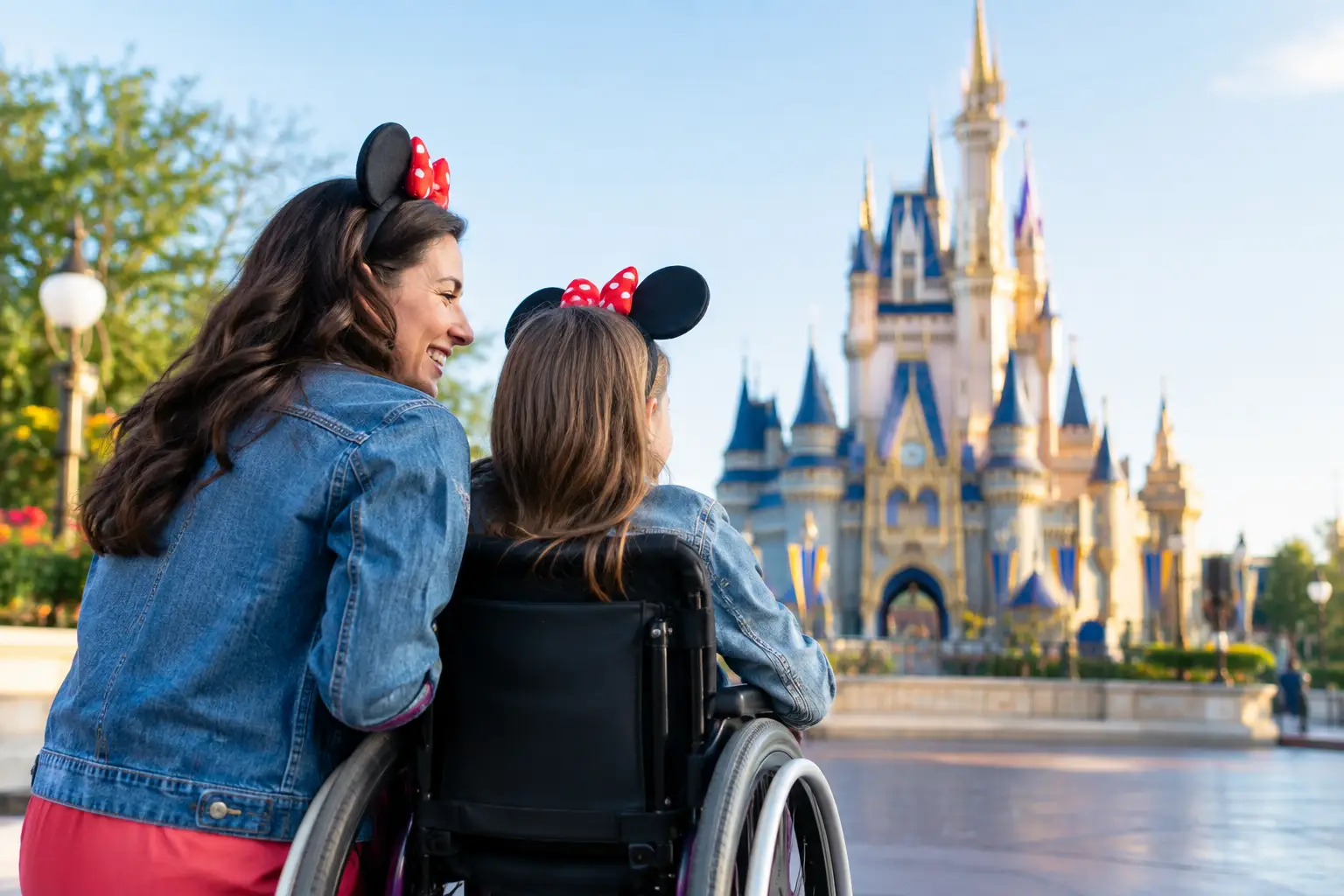
A wheelchair Disney experience can be brilliant, but it is not something to leave to chance. Disney parks can be far more manageable than many major attractions, with step-free routes, accessible toilets and staff who generally understand disabled guests. The difficult part is not whether you can get through the gate. It is planning the details that decide whether you finish the day feeling independent or completely worn out.
Disney operates parks in several countries, and the rules, ride access and transport arrangements are not identical. What works at Walt Disney World in Florida may not apply at Disneyland Paris or Disneyland California. Treat every park as its own destination, check the current official access information before booking, and build your plan around what your chair, scooter and body can realistically manage.
Start With the Right Disney Park Plan
The biggest mistake is trying to do everything. A Disney park is deliberately packed with noise, people, queues, shows, shops and tempting rides. For a wheelchair user, the distances can be substantial even when the paths are smooth. For a mobility scooter user, battery range, crowded pinch points and where you can safely park all become part of the day.
Choose two or three priorities before you arrive. That might be a headline ride, a parade viewing spot and a character meal. Once those are covered, anything else is a bonus. This approach gives you room for a toilet stop, a delayed bus, bad weather or a queue that moves more slowly than expected.
If you are travelling with family or friends, be clear about your pace. Able-bodied companions often underestimate how tiring it is to stay alert in crowds while navigating kerbs, ramps and people stepping backwards for photographs. Agree that nobody is going to rush ahead and leave the wheelchair or scooter user trying to catch up through a crowd.
Pick your accommodation for transport, not just the room
An accessible room matters, but a good room in the wrong location can make every park day harder. Look at the whole journey from bed to attraction: hotel lift, path to the bus stop, accessible bus or shuttle, security point, park entrance and the return trip when you are tired.
Staying on-site can reduce some moving parts, particularly where Disney transport is designed around the resort. That said, it is not automatically the best choice for everyone. An off-site accessible hotel with a reliable adapted taxi firm, proper roll-in shower and more space may suit you better than a smaller room closer to the gates. Check the actual accessible-room layout rather than trusting a broad accessibility label.
A Wheelchair Disney Experience Depends on Your Equipment
Your own wheelchair is usually the familiar and safer option, especially if it supports your posture properly. If you use a powerchair or mobility scooter, check battery condition before travel and take the charging equipment you need. Do not assume you will find a convenient socket in the park, or that charging during a meal will be permitted.
Hiring equipment can work well if you cannot fly with your own scooter or only need one for longer park days. The trade-off is comfort and reliability. A hired chair may be functional but not suitable for an all-day posture need, and hired scooters can be bulky in busy indoor areas. Ask about weight limits, dimensions, battery range, collection arrangements and what happens if the equipment develops a fault.
For air travel, prepare your chair or scooter as carefully as your luggage. Photograph it from all sides, record its model and serial number, and carry clear written instructions for airline staff. Lithium batteries, removable batteries and non-spillable batteries all have different handling requirements. Tell the airline exactly what you are bringing well before departure, not at the airport desk when there is no time to solve a problem.
A small repair kit is worth its space: puncture solution if appropriate for your tyres, an Allen key set, spare inner tube where practical, charger, cable ties and a rain cover. Florida rain, Paris rain or a sudden drink spill are all far easier to deal with when your controls are protected.
Rides, Transfers and Queue Reality
Accessible does not always mean rideable without transferring. Some attractions allow you to stay in your wheelchair, while others require you to transfer into a ride vehicle. The transfer may be straightforward, or it may involve a step, a narrow seat, limited time and staff who cannot lift you for safety reasons.
Be honest about transfers before joining a long queue. Ask the cast member at the entrance what the boarding process is like and whether your wheelchair will be waiting at the exit or needs to be collected elsewhere. If you have limited standing balance, pain, fatigue or need a hoist, a ride may simply not be right for you. Skipping one attraction is better than risking a fall or spending the rest of the day in pain.
Queue systems vary by park and can change, so do not rely on an old social-media post. Some rides have accessible queue routes; others use a separate entrance or return-time arrangement when the standard queue is unsuitable. A disability access arrangement may help guests who cannot wait in a conventional queue, but it is not a front-of-queue pass and eligibility is assessed under the local park’s current rules.
Explain your needs clearly and simply. “I cannot remain safely in a tight, moving queue for an hour” is more useful than asking generally for disabled access. Take any supporting information you have if the park asks for it, but do not assume a UK Blue Badge automatically proves eligibility abroad.
Build Rest Into the Day Before You Need It
The most useful Disney skill is knowing when to stop. A long sit-down meal, a quiet indoor show, a return to the hotel or even forty minutes out of the sun can rescue the second half of the day. Pushing on because you have paid for admission is understandable, but it often turns an enjoyable day into a recovery day.
Map accessible toilets early. Do not wait until you are desperate, especially around parade times when paths become congested. Companion toilets can be invaluable for travellers who need help, but they may be occupied, so allow extra time. If you need changing facilities, a ceiling hoist or an adult changing bench, confirm what is available at that specific resort rather than assuming a standard accessible toilet will meet your needs.
Food can be a strategic break, not just a meal. Book where reservations are available, tell the venue about mobility equipment if asked, and avoid scheduling every meal at peak times. A table with enough space to park a scooter can make a surprising difference to your comfort and dignity.
Parades and fireworks need a different strategy
Viewing areas for disabled guests can be useful, but they are not always unlimited, centrally positioned or available at the last minute. Find out how each park handles them, how early you must arrive and whether your whole party can join you. A great view is not much use if you have waited in direct sun for ninety minutes with no accessible way out.
If fireworks are a priority, consider watching from a less crowded location rather than fighting for the most famous spot. You may lose a little of the perfect view but gain easier space, a clearer exit and less chance of being boxed in by standing crowds.
Do Not Underestimate Getting Home
The final hour catches many people out. Everyone leaves at once, transport queues grow and a scooter battery that seemed fine at 3pm can look very different after a full day. Leave before the main rush if you can, particularly after fireworks. It is not giving up early. It is choosing a safer, calmer journey back.
Keep your hotel address, room number, emergency contacts and any essential medical information on your mobile phone and in a paper copy. If you rely on medication, catheter supplies, feeding equipment or spare cushions, keep them with you rather than in checked luggage or a bag somebody else is carrying.
Disney can deliver proper moments of magic, but the useful kind of magic comes from preparation: the chair that works, the route you understand, the break you take in time and the confidence to say no to a queue that is not right for you. Plan for your independence, then enjoy the day on your own terms.
0 Comments
Leave a Comment