
10 Top Wheelchair Friendly City Breaks
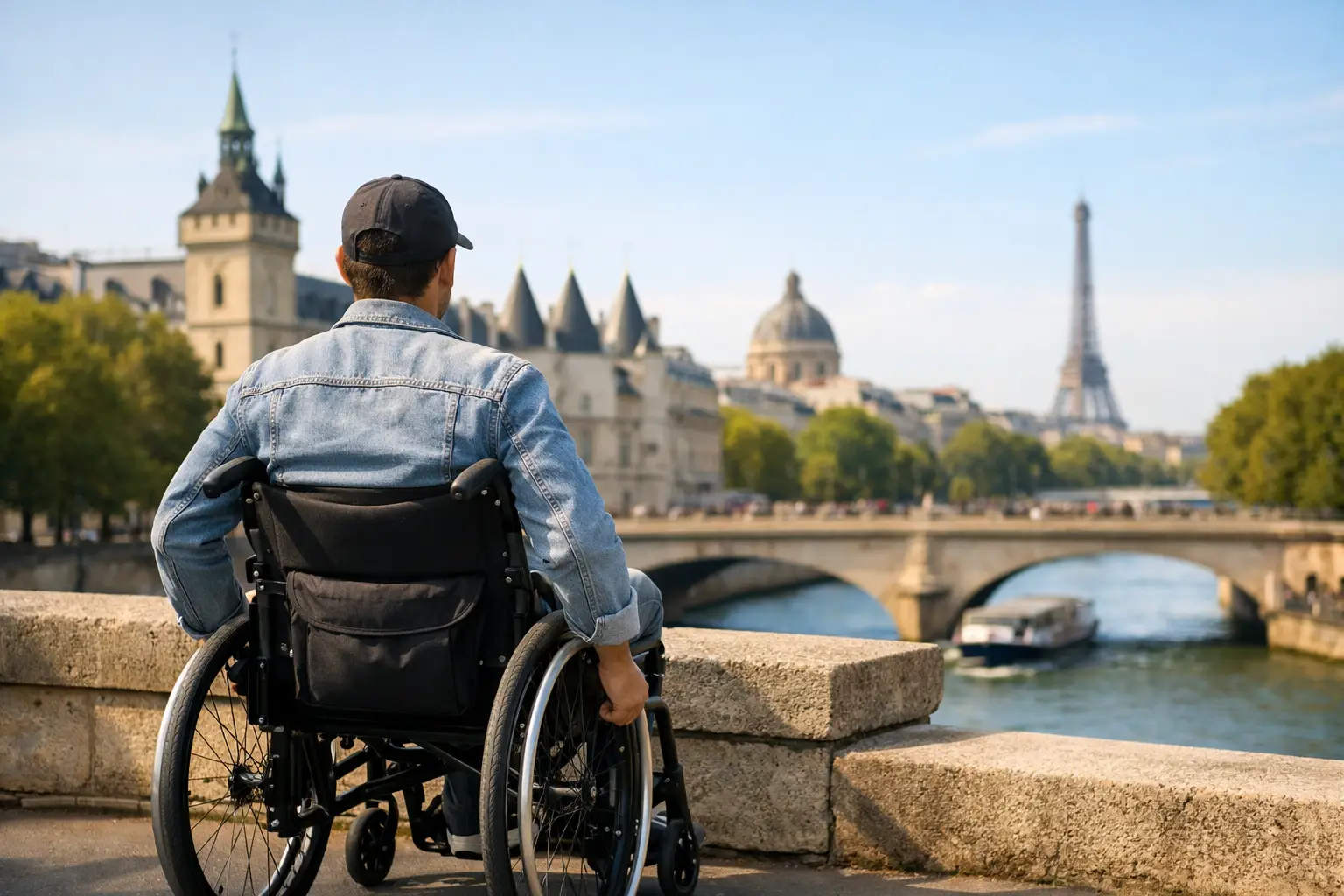
Picking a city break when you use a wheelchair or mobility scooter is rarely about finding the prettiest skyline. It is about whether you can get from the station to the hotel without battling broken pavements, whether public transport is genuinely step-free, and whether the main sights are worth the effort once you get there. That is why these top wheelchair friendly city breaks are judged on practical access, not glossy marketing.
Some cities do one thing brilliantly and let themselves down somewhere else. You might find excellent museums but poor kerbs, or smooth streets but awkward metro access. So rather than pretending any destination is perfect, it makes more sense to look at which cities give you the best chance of an enjoyable, low-stress trip with the right planning.
What makes the top wheelchair friendly city breaks work
For a city break to feel manageable, four things matter most. First, you need reliable arrival and departure options, whether that means assisted rail travel, accessible taxis or an airport transfer that will actually take your chair or scooter. Second, the streets need to be usable in real life. A destination can have accessible landmarks on paper, but if the pavements are narrow, steep or badly dropped, your day becomes hard work.
Third, you need attractions that do not turn access into a negotiation every time you arrive. Finally, your accommodation must do more than advertise an accessible room. Door widths, wet rooms, lift access and enough turning space all make the difference between a restful trip and a frustrating one.
1. Barcelona
Barcelona often comes up in conversations about accessible travel for good reason. The city has a strong reputation for step-free public transport, wide pavements in many central areas, and a layout that is easier to understand than in a lot of older European cities. If you want a break where you can combine sightseeing with simply getting around confidently, Barcelona is a strong contender.
The metro is one of its best features, although not every station is equal, so checking the exact route still matters. Buses are generally a useful backup and the seafront areas tend to be easier to navigate than the tighter historic streets. The Gothic Quarter, while worth seeing, can be more awkward because of older surfaces and busier pedestrian traffic.
Where Barcelona really helps is choice. You can visit major sights, enjoy the waterfront and find hotels in areas that do not leave you stranded. For many wheelchair users, that balance makes it one of the safest all-round bets.
2. Berlin
Berlin is not the most romantic city break on this list, but it is one of the most practical. It is spacious, relatively straightforward to navigate, and better than many capitals when it comes to public transport accessibility. If your priority is getting out and seeing plenty without constantly worrying about barriers, Berlin makes life easier.
One of its strengths is the amount of room. Wider streets and a less cramped city centre can reduce that boxed-in feeling that some older destinations create. Museums and major sites are often well set up too, though older buildings can still have access limitations in specific areas.
The trade-off is scale. Berlin is big, so you may rely more on transport than in a smaller city. That is not necessarily a problem if you plan your routes carefully, but it does mean location matters when booking your hotel.
3. Amsterdam
Amsterdam can surprise people. The image many have is of steep bridges, narrow streets and historic buildings, and those challenges do exist. But parts of the city are very manageable, and accessible transport and good trip planning can make a short stay work well.
The key here is to be selective. Not every canal-side street is ideal, and some older venues are awkward by design. But the city has accessible cultural attractions, adapted transport options and enough flatter, easier routes that you can still enjoy a proper break. Staying somewhere central but not right in the most crowded old streets can make a big difference.
If you are expecting smooth access everywhere, Amsterdam may frustrate you. If you go in knowing where the tougher bits are, it can still be one of the more rewarding wheelchair friendly city breaks in Europe.
4. Copenhagen
Copenhagen suits travellers who want a clean, orderly city with a strong reputation for good infrastructure. Surfaces are often decent, public spaces are well organised, and the city generally feels designed with usability in mind. That matters when you are trying to enjoy a short trip without fighting the basics.
Public transport is one of the strongest points, especially if you are using trains and metro links. Streets in the main areas are often easier to deal with than in many older capitals, and the waterfront districts can be particularly pleasant to explore.
The main thing to watch is cost. Copenhagen is not a bargain city break, and accessible rooms can push the budget up further. Still, if ease of movement is your top concern, many travellers will decide it is worth paying more for a destination that causes fewer headaches.
5. Vienna
Vienna has the sort of grand city centre that can make wheelchair users wary, but in practice it is often more accessible than people expect. Public transport is strong, major cultural venues are used to visitors with access needs, and the city combines historic character with a decent level of practical usability.
It is a good option if you want a classic European city break without giving up too much convenience. Museums, concert venues and public buildings are often set up properly, and the city is compact enough that you can cover a lot over a few days.
As always, older areas need a little caution. Cobbles can appear, and some heritage buildings have partial rather than full access. But as a whole, Vienna deserves to be near the top of the list.
6. Singapore
If you are willing to go further afield, Singapore is one of the strongest accessible city breaks anywhere. It is modern, well maintained and generally much easier to navigate than many major cities. For wheelchair users who want confidence rather than guesswork, that counts for a lot.
The transport network is a major advantage, and step-free access is far more consistent than in many destinations. Hotels also tend to be clearer about what they offer, though you should still confirm bathroom layouts and room dimensions before booking. Large shopping centres, attractions and public spaces are usually straightforward to use.
The obvious trade-off is distance and cost from the UK. This is not a casual weekend away. But if you want an international city break where accessibility is often built in rather than patched on, Singapore stands out.
7. Sydney
Sydney can work very well for travellers who want a bigger trip built around a city stay. Key tourist areas are often more accessible than people expect, and there is enough modern infrastructure to make the city feel achievable rather than daunting.
What helps most is the concentration of accessible experiences around the harbour and central districts. Ferries, attractions and open public spaces can all be part of a trip, although gradients in some neighbourhoods are worth factoring in. Sydney is not flat, and that can affect how tiring your day becomes, especially in a manual wheelchair.
For powered wheelchair and scooter users, the city can be more forgiving, provided charging and transport arrangements are sorted in advance. It rewards planning, but it can absolutely deliver.
8. London
London belongs on any realistic list of top wheelchair friendly city breaks, but with a clear warning - it is inconsistent. Some parts of London are excellent, with accessible buses, black cabs, major attractions and newer stations that make movement fairly straightforward. Other parts remain awkward, especially on older Underground lines and in historic buildings.
That means London is best treated as an area-by-area destination. If you stay near places you actually want to visit and do not assume every Tube station is step-free, it can work very well. Buses are often the unsung hero for wheelchair users here.
The big advantage is choice. Whatever your interests, London has enough accessible hotels, attractions and transport options to build a trip around your own comfort level. Just do not book on optimism alone - check every stage.
9. Valencia
Valencia deserves more attention from disabled travellers. It is often easier to manage than some of Spain's better-known city breaks, with broad avenues, accessible modern areas and a more relaxed pace than larger capitals. That can make a short stay feel less pressured.
The city mixes old and new in a way that works in your favour. You can enjoy modern districts and green spaces without constantly dealing with historic access problems, then choose whether the older centre is worth the extra effort. Beaches and promenade areas also add flexibility if you prefer open, flatter routes.
It may not have the profile of Barcelona, but for some travellers it could be the better fit.
10. Stockholm
Stockholm is another city where good planning pays off. It is generally well organised, public transport is strong, and many central areas are manageable for wheelchair users. The setting across islands does mean bridges and gradients come into play, so not every route will feel easy.
Still, if you choose your base carefully, Stockholm offers plenty. Museums, waterfront views and clean, navigable public spaces give it real appeal. Like Copenhagen, it is not the cheapest option, but it often feels calmer and less physically draining than more chaotic city destinations.
How to choose the right city break for you
The best destination depends on how you travel. If you use a larger mobility scooter, transport rules and hotel storage become even more important. If you use a manual wheelchair, surface quality, slopes and daily distance may matter more than whether a city has dozens of accessible attractions.
It also depends on what kind of break you want. Some travellers are happy using taxis and doing one major sight a day. Others want to roam independently from morning to night. Be honest about your pace, energy and tolerance for hassle. That is usually what separates a successful trip from one that looks good only on paper.
At Andy Wright Travel, that has always been the point - accessibility is not a box to tick, it is what makes independent travel possible. A city break should leave you with good memories, not a list of barriers you had to battle through. Choose the place that fits your needs, plan the practical details properly, and give yourself the best chance to enjoy the journey as much as the destination.
0 Comments
Leave a Comment