
How to Plan a Wheelchair Cruise Without Guesswork
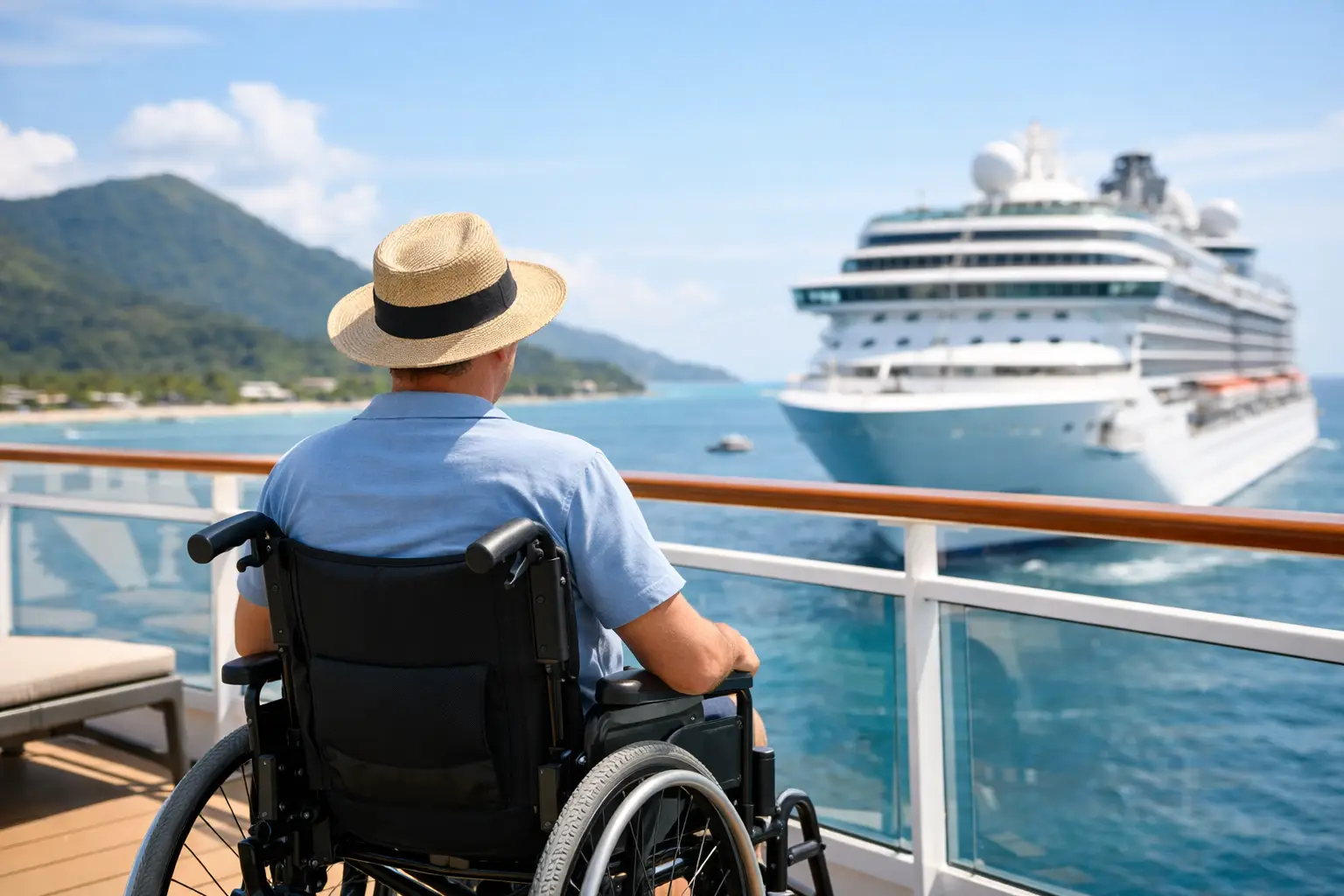
A cruise can look like one of the easier ways to travel with a wheelchair: unpack once, let the ship do the moving, and wake up somewhere new. That can be true, but only if you know how to plan a wheelchair cruise beyond the glossy photos and vague claims of “accessible facilities”. The details that matter are the cabin doorway, the bathroom layout, the boarding port, the tender arrangements and whether you can actually get off the ship at the places you have paid to visit.
A good accessible cruise is not about accepting whatever is available. It is about checking the practical points early enough to have a real choice.
Start with the ship, not the itinerary
It is tempting to choose a cruise for its destinations first. For wheelchair users, the ship itself needs equal attention. You may be spending several sea days onboard, and a poor cabin or awkward route around the deck can make a holiday feel much smaller than it should.
Newer ships often have better step-free access, accessible public toilets, lifts and adapted cabins. That does not automatically make every area easy to use. Pool access, theatre seating, deck surfaces, buffet layouts and the distance between venues can vary enormously. A large ship may offer more facilities, but it can also involve long corridors and busy lifts at peak times.
Think about how you normally get around. If you use a powered wheelchair or mobility scooter, check whether the ship permits it and whether there are size, weight or battery restrictions. Cruise lines may have rules for charging, keeping mobility equipment out of corridors and using the tender boats. Get these in writing before you commit.
Book an accessible cabin early
Accessible cabins are limited, and the best ones go quickly. Booking early is not just about getting a wider door. It gives you time to ask proper questions and avoid being allocated a cabin that technically meets a basic standard but does not work for you.
Ask for the cabin number and deck plan before paying your final balance. Then confirm the clear doorway width, whether the balcony threshold is level, the turning space beside the bed and the location of the wardrobe. A cabin can have an adapted bathroom yet still be difficult if the bed is too close to the wall for a transfer.
Check the bathroom properly
Bathroom photos are useful, but measurements are better. Find out whether the shower is level access, where the fold-down shower seat is positioned and whether there are grab rails on the side you need. Ask if the toilet has room for a lateral transfer and whether the sink is low enough to use from your chair.
This is also where individual needs matter. Someone travelling with a compact manual chair may manage comfortably in a cabin that is too tight for a larger powerchair. If you need a hoist, shower commode or other specialist equipment, do not assume it will be supplied. Ask what is available, how it is booked and whether you may bring your own.
Cabin location matters too. A room near the lift can reduce the daily effort, but the immediate area may be noisy. A cabin on a lower, central deck can feel steadier if you are concerned about movement at sea. There is no perfect answer, just the right compromise for your needs.
How to plan a wheelchair cruise from the port
The journey to the ship can be the most stressful part if it is left until last. Check the accessible parking arrangements, accessible taxi availability, railway assistance and the route from drop-off point to terminal. Ports are large working areas, and the distance between car park, check-in and gangway can be considerable.
If you are staying overnight before departure, choose a hotel that is genuinely suitable rather than simply described as disabled-friendly. Confirm the room, bathroom and accessible taxi options separately. For a UK departure, arriving the day before can take pressure off, particularly if you have a long journey or rely on booked assistance.
Tell the cruise line about your mobility equipment when you book. Do not wait until check-in. Provide its dimensions, weight and battery type accurately. Take a printed copy of the information with you, along with instructions for putting the chair into freewheel mode if needed. It can save a lot of confusion if port staff need to help move it.
When looking at boarding, ask whether the gangway angle can become steep at certain tides. Staff may assist, but it is worth knowing what to expect, especially with a manual wheelchair. Powered chairs generally cope well, though wet surfaces and a crowded boarding period can still make the experience slower than advertised.
Do not treat every port as accessible
A ship can be accessible while the ports are not. This is the part of cruise planning that gets missed most often.
Some ports allow the ship to dock alongside a quay, where you use a gangway to reach land. Others are tender ports, meaning passengers are taken ashore in smaller boats. Tendering may be impossible for some wheelchair and scooter users, particularly where there are steps into the boat, a gap to cross or rough sea conditions. Cruise lines can decide on the day that it is not safe to transfer a passenger using a mobility device.
Before booking, look at every port individually. Ask the cruise line whether it is usually docked or tendered, whether wheelchair users can use the tender service, and what happens if they cannot. Do not accept “subject to conditions” as a useful answer without asking what those conditions actually are.
Even at dockside ports, the town itself may involve cobbles, hills, kerbs, narrow pavements or inaccessible transport. A beautiful old centre can be hard work in a wheelchair. Research the route from the terminal to the main sights, whether accessible taxis are available and how far you can realistically travel in the time available.
Choose shore excursions with care
Cruise-line excursions can be easier because the ship knows where you are and will generally wait if an official tour is delayed. But “wheelchair accessible” can mean anything from fully step-free transport and accessible toilets to a standard coach with someone willing to help. Ask exactly what is provided.
Confirm whether the vehicle has a lift or ramp, whether you remain in your own wheelchair, the maximum equipment weight and if there is secure space for a scooter. Also ask about toilet stops, terrain, distance travelled on foot or wheels, and whether the attraction itself has step-free entry.
Independent tours sometimes offer more flexibility, especially if you need a private accessible vehicle or want to avoid a large group. The trade-off is responsibility. Leave plenty of time to return to the ship, keep local contact details handy and never rely on an optimistic travel time from a map.
A sensible approach is to plan one priority activity per port, with a simple backup. If the accessible taxi fails to arrive or the weather turns, you still have a realistic alternative rather than a ruined day.
Plan for your equipment and your energy
Bring the essentials to keep your wheelchair or scooter working: charger, adapter if required, tyre repair kit, basic tools, spare inner tube where appropriate and a copy of any insurance details. Label removable items such as cushions, footplates and chargers. They can easily be separated from the chair during transfers or security checks.
Check electrical arrangements with the cruise line. Most modern ships have suitable sockets, but charging rules may apply. If you use a powerchair or scooter, build charging into your routine rather than leaving it until late at night. Sea days are useful for a full recharge.
Also plan around energy, not just access. Cruise ships are busy environments, and the dining room, entertainment venues and accessible toilets may be farther apart than expected. Book dining times that work for you, allow extra time for lifts after shows, and do not feel obliged to do every activity. Independence includes choosing a pace that lets you enjoy the holiday.
Get the right answers before you pay
A travel agent with accessible travel knowledge can be helpful, but the final check should still come from the cruise line in writing. Keep a record of the cabin confirmation, equipment approval and any agreed assistance. If a call-centre adviser gives an unclear answer, ask for the accessibility team or special assistance department.
The key questions are straightforward: can your equipment board and be charged safely, does the cabin work for your transfers, can you use the bathroom independently, which ports involve tenders, and what will happen on the excursions you want to take? If the answer is vague, keep asking.
A wheelchair cruise can offer real freedom: different countries, familiar surroundings each evening, and far less packing and unpacking than a multi-stop land holiday. Give yourself the time to check the awkward details, and you can step onboard knowing the trip is built around your independence rather than your ability to cope with avoidable barriers.
0 Comments
Leave a Comment