
How to Plan Accessible City Breaks
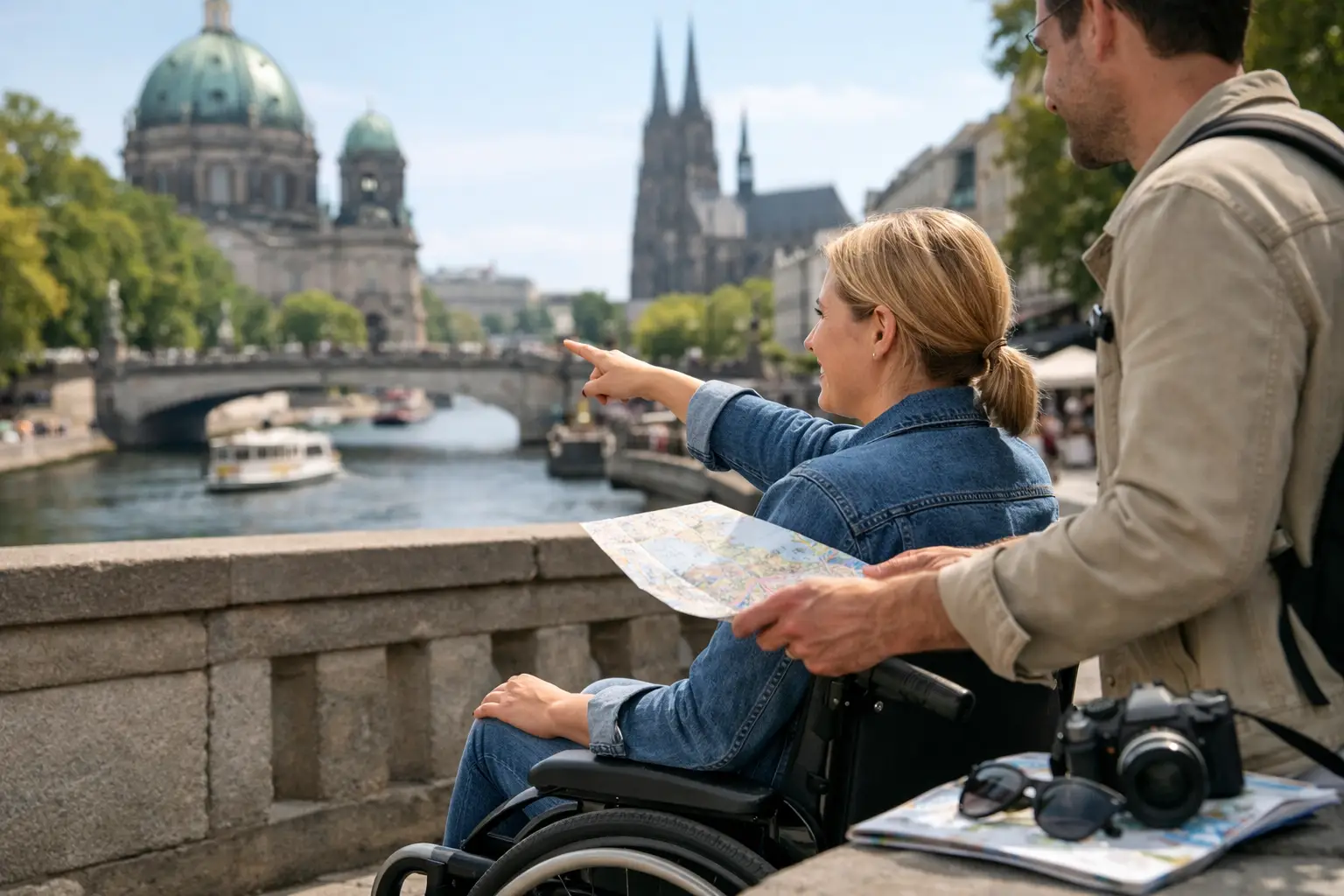
You do not need a perfect city to have a good trip. You need a city you can actually use. That is the difference when working out how to plan accessible city breaks. A place can look brilliant on social media and still be a nightmare once you arrive if the hotel lift is tiny, the pavements are broken, or the so-called accessible station only has step-free access on one side.
For wheelchair users, mobility scooter users and the people travelling with them, the best city breaks are usually won before you leave home. Good planning does not remove every problem, but it does cut out the nasty surprises that ruin independence. The aim is not to overcomplicate the trip. It is to know what matters, check the right details, and book with confidence.
Start with the city, not the deal
A cheap fare can push people into booking the wrong place. It is far better to choose a city that gives you a realistic chance of getting around without a fight. Flat layouts, reliable public transport, accessible taxis, dropped kerbs and attractions clustered in one area all make a huge difference.
Older cities can be brilliant, but they often come with trade-offs. Cobbles, steep streets and historic buildings are common problems. That does not mean you should avoid them automatically. It means you need to be honest about the effort involved. If every day will depend on battling gradients or hunting for ramps, the city break may stop feeling like a break.
Modern cities are not always better either. A city can have newer stations and hotels but still be awkward if accessible transport is limited or distances are too great. The sweet spot is usually a destination where the centre is compact enough to explore in short stretches and where there is a clear backup if walking or rolling becomes tiring.
How to plan accessible city breaks around transport
Transport is where many accessible trips start to wobble. The main question is simple: can you get from airport or station to hotel, and from hotel to the places you want to visit, without relying on luck?
If you are flying, check the airport layout at both ends. An airport with long distances and poor assistance can drain you before the trip has properly started. If you use a mobility scooter, confirm battery rules well in advance and get written confirmation if needed. If you are taking a train, look closely at assisted travel arrangements, platform access and what happens if lifts are out of order. One broken lift can turn a straightforward route into a major detour.
Inside the city, do not stop at reading “accessible public transport” on an official website. That phrase can cover a lot of ground. You need to know whether buses have working ramps, whether tram stops have level boarding, and whether metro stations are step-free across the whole network or only in selected locations. There is a big difference.
Taxis are often the safety net, so check them properly. Some cities have plenty of wheelchair accessible vehicles. Others have very few, which means long waits or advance booking. If you rely on a scooter, also check whether local taxi firms can take it without issue. The answer is not always yes.
Book accommodation based on access you can use
A hotel can make or break the entire break. This is where generic booking site filters often let people down. “Accessible room” sounds promising until you discover the bathroom door is too narrow, the shower has a lip, or the bed is too high for a safe transfer.
Before booking, contact the property directly and ask practical questions. Ask for door widths, bathroom layout, lift size, whether there is level access from street to reception, and whether the accessible room has a true roll-in shower. If you use a mobility scooter, ask where it can be charged and whether there is enough floor space to store it safely overnight.
Location matters just as much as the room. A decent accessible hotel on a steep hill or in an awkward business district can leave you stuck. It is often worth paying a little more to stay near the attractions, transport links and places you will actually use. Reducing daily travel effort can transform the whole experience.
If staff reply vaguely or avoid specifics, treat that as a warning sign. Honest detail is what you want. A hotel that says, “The bathroom has a small lip and the lift is narrow,” may still work for you. A hotel that simply says, “It should be fine,” probably has not understood the question.
Plan the route on the ground, not just the itinerary
Many travellers plan what they want to see but not how they will physically move between each point. That is where accessible city breaks can come undone. A museum may be fully accessible, but the route from the nearest station could involve poor surfaces, missing dropped kerbs or a steep bridge.
Look at street-level images where possible. Check gradients, crossings, pavement widths and whether pedestrian zones are genuinely smooth enough for a wheelchair or scooter. This sounds detailed because it is, but it can save a lot of stress. A ten-minute route on paper can become thirty minutes if the direct path is blocked by stairs or rough paving.
Build your day in clusters. Try to group attractions, food stops and rest breaks in the same area rather than zigzagging across a city. That gives you more flexibility if the weather turns or you hit an access problem. It also leaves more room to enjoy yourself instead of spending the day managing logistics.
Be ruthless about attraction research
Never assume that a major attraction has sorted accessibility properly. Some have excellent step-free access, adapted toilets and sensible layouts. Others have one side entrance, limited lift access and staff who mean well but are clearly making it up as they go along.
Check the full visitor journey. Can you enter through the main entrance? Is there step-free access to all floors or only part of the site? Are there accessible toilets where you need them, not just near the exit? If you are travelling with a companion, check whether seating, queues and waiting areas are workable for both of you.
Historic attractions often need extra scrutiny. They may advertise accessibility, but that can mean access to the gift shop and ground floor only. That is not necessarily a deal-breaker if you know in advance and still feel the visit is worthwhile. The problem is arriving with the wrong expectation.
This is one reason lived-experience reviews matter so much. Brands like Andy Wright Travel are useful because they focus on what disabled travellers actually need to know, not just the polished version a venue puts on its website.
Leave room for backup options
The truth about accessible travel is that even careful planning does not guarantee everything will work. Lifts break. Accessible toilets are locked. Buses pass by full. A route that looked manageable online turns out to be awkward in reality.
That is why backup matters. Have a second café in mind if your first choice has steps. Know which taxi firm to call if public transport fails. Keep one low-effort option in the schedule each day, especially on a short break where fatigue can build quickly.
This is not negative thinking. It is practical thinking. Good accessible travel planning is not about pretending barriers do not exist. It is about making sure one problem does not wreck the whole trip.
What to pack for a smoother city break
Packing is not glamorous, but the right kit can save a lot of hassle. Bring charging equipment, adaptors if needed, any puncture or maintenance essentials for your chair or scooter, medication in your hand luggage, and copies of key booking details. A lightweight rain cover can be worth its weight in gold in the UK and beyond.
If you use equipment such as a hoist, cushion or portable ramp, decide early whether the benefit outweighs the effort of carrying it. That depends on the city, the length of the break and how much support you have. There is no universal answer. The right setup is the one that helps you stay independent without turning travel day into hard labour.
Confidence comes from detail
The best answer to how to plan accessible city breaks is not to plan every minute. It is to check the details that directly affect your freedom. Transport, hotel layout, street surfaces, toilet access and realistic daily distances matter far more than glossy travel inspiration.
A good city break should leave you feeling that the world is still open to you. When the prep is grounded in real access checks rather than wishful thinking, that feeling becomes much easier to reach. Pick the city that works for you, ask the awkward questions before you book, and give yourself the chance to enjoy the trip rather than constantly problem-solve it.
0 Comments
Leave a Comment