
How to Find Scooter Accessible Tourist Attractions
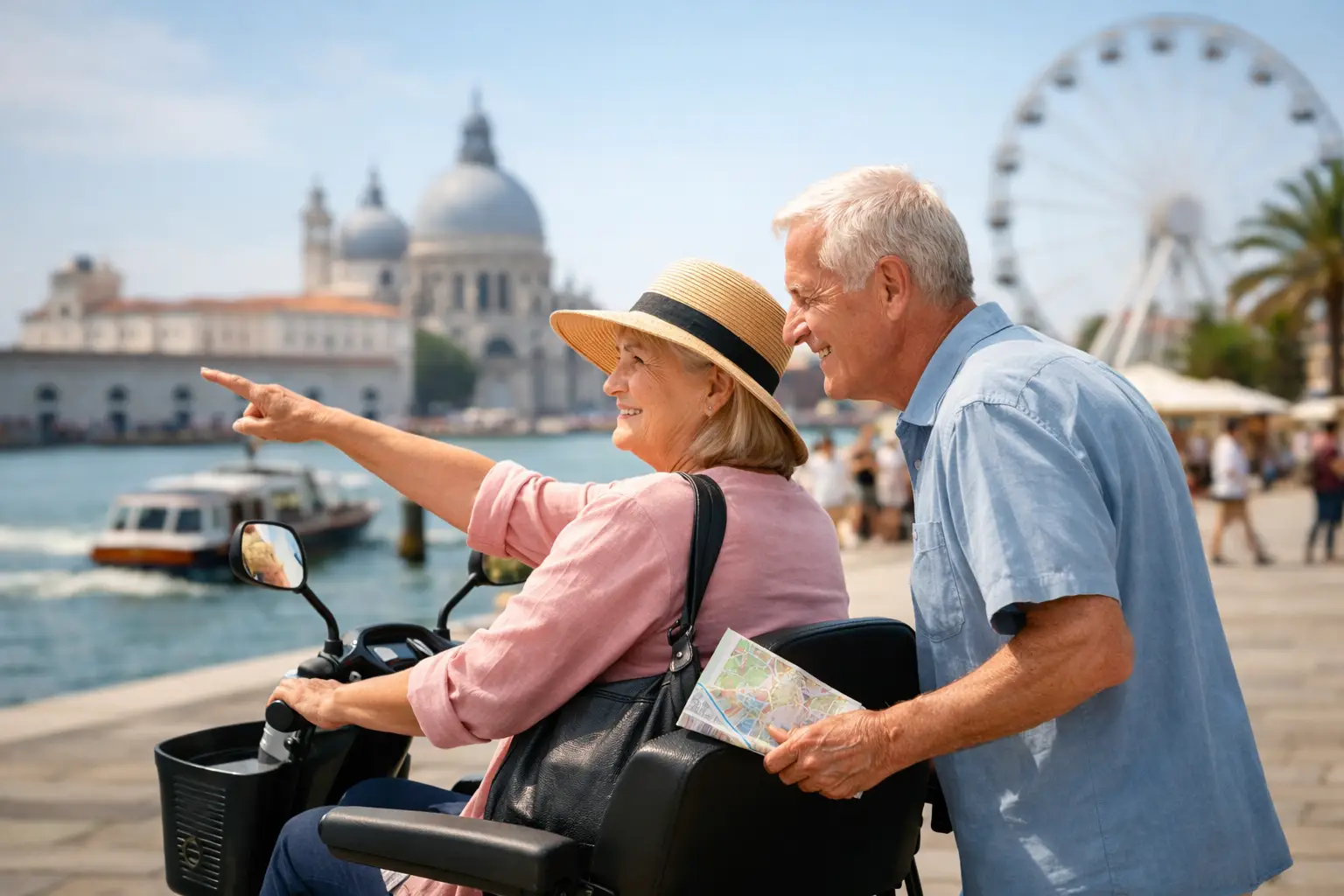
A place can call itself accessible and still be a complete faff once you get there. One steep ramp, one gravel path, one badly placed step at the entrance café, and suddenly your day out turns into hard work. That is why finding genuinely scooter accessible tourist attractions takes more than reading a short accessibility statement and hoping for the best.
If you use a mobility scooter, or you are planning for someone who does, the difference between a good attraction and a bad one usually comes down to details. Not glossy promises. Not a wheelchair symbol on a website. Real, practical details that tell you whether you can get in, get around, use the loo, recharge if needed, and actually enjoy the day with some independence.
What makes tourist attractions scooter accessible?
The first thing to say is that scooter accessible does not always mean wheelchair accessible in exactly the same way. Some venues are fine for manual wheelchairs but awkward for larger scooters because of turning circles, narrow doorways, steep routes or lift limits. Others are easy on paper but fall apart once crowds build up or temporary barriers appear.
A genuinely accessible attraction usually gets the basics right from the start. Step-free entry matters, but so does the route from the car park or drop-off point. There is no point having a ramp at the main door if the path to reach it is rough, cambered or blocked by bollards. Inside, you need enough width to move without scraping walls or constantly asking people to shift aside.
Toilets are another dividing line. An accessible loo that doubles as a storage cupboard, or one tucked behind a heavy manual door, can ruin a visit. The same goes for lifts that are technically present but too small for a larger scooter, or are regularly out of order.
Then there is terrain. Historic sites, gardens, zoos and coastal attractions often have the biggest gap between advertised access and real access. A route may be step-free but still too steep, loose or uneven for comfortable scooter use. That does not always make the place impossible, but it does mean you need honest information before you go.
How to assess scooter accessible tourist attractions before you book
The best approach is to think like someone planning a route, not someone reading marketing copy. Start with the attraction’s own accessibility page, but do not stop there. Look for photos, site maps and visitor reviews that mention slopes, surfaces and toilet access. If a place only says it is “fully accessible” without giving measurements, route details or parking information, that is a warning sign.
Phone or email with specific questions. Broad questions get broad answers. Ask whether mobility scooters are allowed throughout the site, whether there are width restrictions, what the surface is like, whether the accessible toilet is radar-key operated, and if there are steep sections. Ask about parking bays, drop-off points, and whether staff can advise on the easiest route round.
This matters because many attractions answer from a wheelchair-only point of view, and even then often from a very basic one. A powered scooter user may need to know about battery charging, turning space in older buildings, or whether there is enough room in a lift once other visitors are using it.
If public transport is part of the plan, check that separately. An accessible attraction is only useful if you can reach it without a battle. Train stations with broken lifts, inaccessible taxi ranks, or long uphill walks from the nearest stop can turn a straightforward visit into a draining one before you even arrive.
The details that matter most on the day
Parking and arrival
For many disabled travellers, the day starts with parking, not the entrance. Blue Badge bays near the door are ideal, but the layout matters as much as the distance. Tight bays, kerbs without dropped sections, or long crossings over loose gravel can make arrival awkward straight away.
If you are arriving by taxi or accessible transport, check whether there is a proper drop-off point. Some attractions expect everyone to be set down in busy bus areas or on uneven side roads, which is not much use in practice.
Entry, ticket desks and security
Heavy doors, narrow ticket gates and awkward security systems catch people out all the time. Attractions with sensible side access, automatic doors or staff who know what they are doing make a huge difference. If bag checks or turnstiles are involved, ask how scooter users are handled. You do not want to arrive and be sent on a ten-minute detour to a side entrance nobody mentioned online.
Routes, gradients and surfaces
This is where many days out are won or lost. Flat indoor museums are usually easier than outdoor heritage sites, but even modern venues can have odd split levels or exhibits packed too tightly together. Outdoors, surfaces matter constantly. Tarmac and solid paving are usually manageable. Cobbles, bark paths, loose stone and wet grass are another story.
Steep gradients are not always obvious from a website. A route described as “sloping in places” can mean anything from mildly annoying to completely impractical. If an attraction has a land train, shuttle buggy or adapted route, that can make a big difference, but only if the service is reliable and clearly explained.
Types of scooter accessible tourist attractions that tend to work well
Large museums, aquariums, many modern visitor centres, city sightseeing venues and bigger transport museums often perform better because they were either designed with step-free access in mind or have space to move around. That does not make them perfect, but they tend to offer lifts, accessible toilets and smoother flooring.
Some stately homes and historic sites are improving, especially where accessible entrances, buggies and mapped routes have been introduced. But these are the places where detail matters most. One accessible wing does not mean the full site works for scooter users.
Zoos and botanical gardens are mixed. They can offer loads of room and decent facilities, but the distances are longer and the terrain can be harder work. If your scooter battery range is limited, or if the route includes long inclines, what sounds like an easy outdoor day may become tiring faster than expected.
Seaside attractions depend heavily on promenade access, paving quality and accessible loos. A pier with level boarding and wide deck space can be great. A beach café reached only by a ramped boardwalk with no turning space can be less so. Andy Wright Travel has long focused on this kind of street-level detail because it is often the difference between freedom and frustration.
Red flags to watch for
Some warning signs appear again and again. “Accessible by request” can mean staff have not thought the route through. “Most areas accessible” often hides key limitations such as inaccessible toilets, viewing platforms or cafés. “Historic building restrictions” may be perfectly understandable, but you still need to know exactly what they are.
Another red flag is when staff cannot answer simple questions. If nobody can tell you whether there is a step at the entrance, what the lift size is, or whether scooters are permitted, assume you may have problems on the day. It is better to be cautious than to waste time and money on guesswork.
Be wary of places that only mention wheelchair hire and say nothing about privately owned scooters. That does not always mean a problem, but it can suggest their access planning is generic rather than based on how disabled visitors actually travel.
Why honest expectations matter more than perfect access
Not every attraction will be fully accessible, especially older sites. That does not mean it is not worth visiting. Sometimes a place is still a good day out if you know in advance which areas are manageable, where the steeper sections are, and whether you will need help at any point.
The key is honesty. A venue that says, clearly, that the upper floor is only reachable by stairs, the gardens have gravel paths, but the ground floor and café are step-free is far more useful than one that claims broad accessibility and leaves you to discover the problems after paying.
As disabled travellers, most of us are not asking for fantasy. We are asking for information good enough to make our own choices. That is what supports independence.
Planning with confidence instead of hoping for the best
The strongest travel plans usually come from combining official information with real-world checking. Look at maps, recent photos, transport details and direct replies from the venue. Think through the full journey - parking, entry, toilet access, surfaces, food areas and how far you will need to travel inside the site.
If anything sounds vague, ask again. If the answer still feels vague, trust your instincts. There are plenty of attractions worth your time, and the right one is the one that lets you enjoy the day rather than spend it negotiating barriers.
A good trip is not about proving you can put up with poor access. It is about going places with confidence, knowing the basics have been checked, and having the freedom to focus on the experience instead of the obstacles.
0 Comments
Leave a Comment