
Best scooter friendly airports in Europe
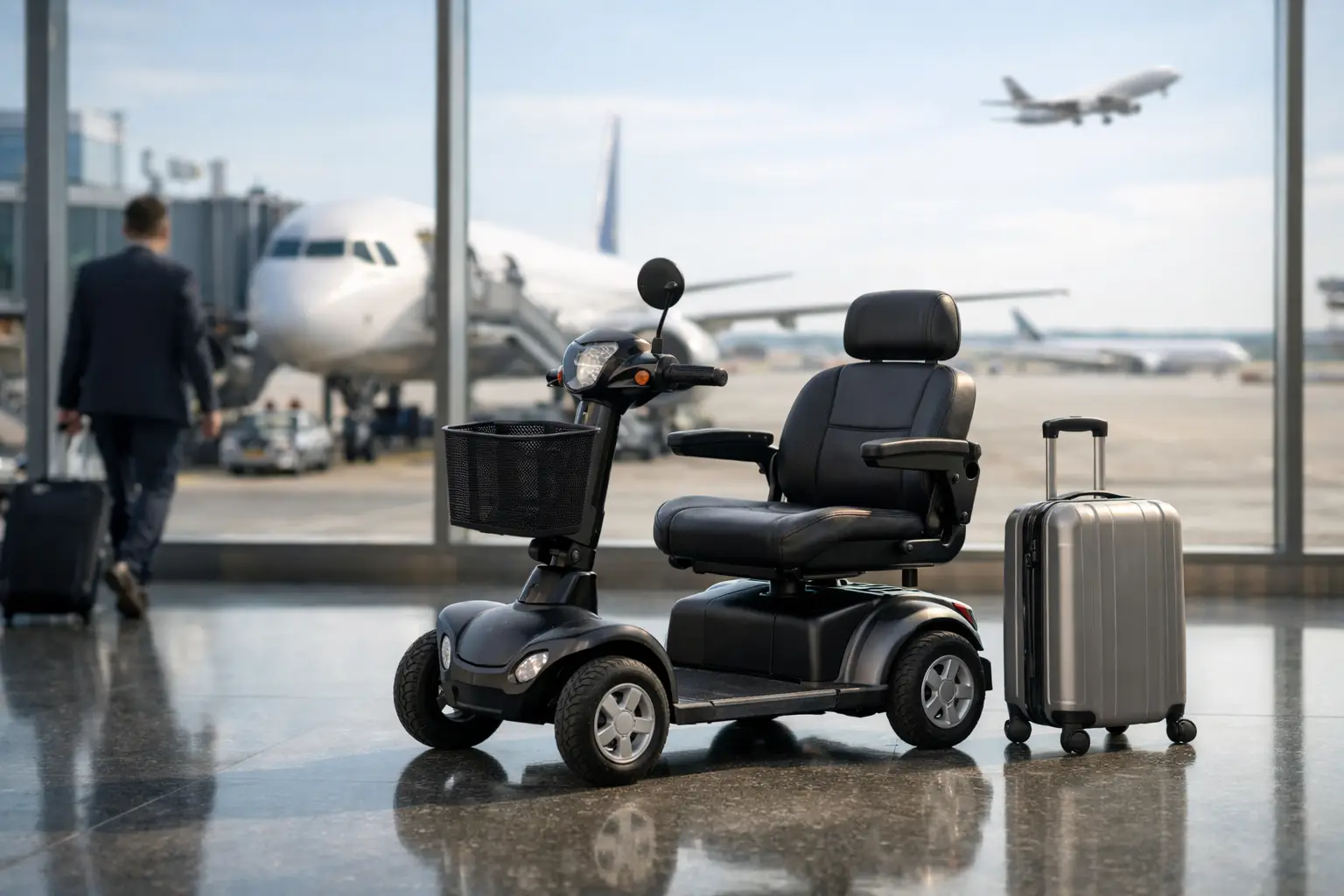
If you use a mobility scooter, the airport can make or break the whole trip before you have even reached the gate. That is why finding genuinely scooter friendly airports in Europe matters so much. A good airport gives you clear assistance, sensible distances, reliable lifts and staff who understand that your scooter is not a nuisance - it is your independence.
The problem is that airports rarely describe accessibility in the detail scooter users actually need. You will usually see broad promises about special assistance, but not much about long walks after security, awkward bus gates, poor lift coverage or whether staff are confident handling mobility equipment. So rather than chasing perfect marketing language, it helps to know what usually makes one airport easier than another.
What makes scooter friendly airports in Europe stand out
For scooter users, the best airports tend to have a few things in common. The terminal layout is usually compact or at least logically designed. If you need assistance, the process is straightforward and does not involve being left in a holding area with no updates. There are working lifts at every key point, step-free routes are obvious, and accessible toilets are easy to find rather than hidden at the far end of a corridor.
Just as important is how the airport handles distance. A modern terminal can look excellent on paper and still be exhausting if you have to cover huge stretches between bag drop, security, passport control and the gate. That matters even more if there is a chance you may have to transfer from your scooter to an airport wheelchair at some stage.
Ground transport matters too. An airport is only scooter-friendly if you can actually get in and out of it without a battle. Rail stations with lifts, accessible taxis, level boarding points and nearby adapted parking all make a real difference.
The airports that tend to work best
No airport is perfect every time, and service can vary by airline, staffing levels and even the terminal you use. Still, some European airports have a better reputation than others for being manageable for passengers using mobility scooters or wheelchairs.
Amsterdam Schiphol
Schiphol is one of the better options because it is built around a relatively clear single-terminal concept, even though it is a very large airport. Distances can still be long, so this is not one to underestimate, but wayfinding is generally strong and assistance services are used to handling a high number of passengers with mobility needs.
What helps here is the overall organisation. If you are travelling with your own scooter up to the gate, the process tends to feel less chaotic than at some airports where assistance and check-in barely seem connected. The trade-off is scale. Schiphol is efficient, but it is still busy, and if you do not have support booked properly, the size can catch you out.
Copenhagen Airport
Copenhagen often works well for reduced-mobility travellers because it is modern, well laid out and generally easier to read than some larger hub airports. Step-free movement through the terminal is usually straightforward, and the airport rail links are a major advantage if you want to avoid relying fully on taxis.
It is also one of those airports where practical design helps more than glossy accessibility claims. Wide spaces, decent lift access and a calmer feel can reduce stress. That said, calmer does not mean small, so allow time and do not assume every gate will be close.
Dublin Airport
Dublin is often a sensible choice because the terminals are more manageable than many major European hubs. For a lot of scooter users, that matters more than having the flashiest terminal. Shorter, simpler journeys through the airport can save a lot of energy and reduce the chances of things going wrong.
Special assistance is widely used there, and the airport is familiar with passengers travelling with mobility equipment. The key thing to check is your airline's handling process for scooter batteries and dimensions, because airline rules can create more hassle than the airport itself.
Heathrow - with caveats
Heathrow has strong accessibility infrastructure, but it is very much an it-depends airport. Some parts work well. Staff are used to disabled passengers, there is plenty of assistance provision, and step-free access is available across core parts of the passenger journey. If everything lines up, it can be smoother than people expect.
The problem is size and complexity. Heathrow can involve long transfers, satellite gates, crowds and pressure. For some travellers, especially those confident with pre-booked assistance and direct transport links, it is perfectly workable. For others, a smaller airport will feel far more manageable even if Heathrow offers more formal support on paper.
Gatwick
Gatwick can be a better fit than Heathrow for some UK travellers because it is easier to understand and often less overwhelming. It still gets busy, and some gate areas involve a fair bit of movement, but the overall experience is often more contained.
The rail connection is a big plus if you need predictable transport to and from the airport. As always, though, the real test is not the website description. It is whether your route from station or drop-off to bag drop, security and gate is simple on the day.
Malaga Airport
For UK travellers heading to Spain, Malaga is worth mentioning because it is a common gateway for accessible holidays on the Costa del Sol. The terminal is relatively modern and has a decent reputation for accessibility basics such as lifts, step-free routes and assistance.
It also benefits from serving an area popular with older travellers and disabled tourists, which tends to mean the airport and surrounding transport have more practical awareness. That does not remove every problem, but it can make the whole arrival and departure process less of a fight.
What to check before you book any airport
The airport matters, but it is only one part of the chain. A scooter-friendly airport is no use if the airline refuses your battery type or if the transfer at the other end leaves you stranded.
Start with battery rules. This is the issue that catches people out most often. Different airlines apply different limits, especially for lithium batteries, and some are much clearer than others. Check whether your scooter can travel as it is, whether the battery must be removed, and whether the dimensions and weight fit the airline's limits.
Then look at terminal layout. Search for which terminal your airline uses, not just the airport generally. One terminal can be straightforward while another involves awkward routes, bus gates or long walks. If there is a choice of airline or routing, the easier terminal is often worth more than a slightly cheaper fare.
Also check how you will reach the airport. A fully accessible terminal is only half the job if the train station lift is out of order or accessible taxis are limited. Think door to gate, not just gate to gate.
Practical tips for using scooter friendly airports in Europe
Book special assistance as soon as you book your flight, then confirm it again before travel. Do not assume the request has followed through properly. It often does, but this is not the place to be optimistic.
Carry your scooter's make, model, weight, dimensions and battery details in writing. Keep it simple and easy to hand over. If staff ask questions at check-in or the gate, you want clear answers immediately rather than trying to explain technical details under pressure.
Arrive earlier than you think you need to. Not because disabled travellers should accept extra hassle, but because the system still has weak points. Assistance delays, equipment checks and gate changes are easier to absorb when you are not already against the clock.
Take photos of your scooter before handing it over if it is going in the hold. It is basic, but it helps if damage happens. Remove anything loose, label key parts, and if your tiller or seat folds in a specific way, have simple instructions ready.
If walking even short distances is difficult, say so plainly. Do not downplay it. Staff hear vague requests all day, and being direct usually gets better results. You are not being difficult - you are making sure the right support turns up.
The honest truth about airport accessibility
The best scooter friendly airports in Europe are not always the biggest or most famous. Often the most workable airports are the ones that keep things simple, reduce unnecessary distance and have staff who treat mobility equipment as normal. That sounds basic, but it goes a long way.
It is also worth saying that an airport can be accessible and still be tiring. Good planning does not remove every barrier. What it does is cut down the avoidable problems, which gives you a far better chance of starting your trip with confidence rather than frustration.
That is really the goal. Not a perfect airport, because those are rare, but an airport that lets you get on with your journey and keep hold of your independence.
0 Comments
Leave a Comment