
Best Attractions for Mobility Scooter Users
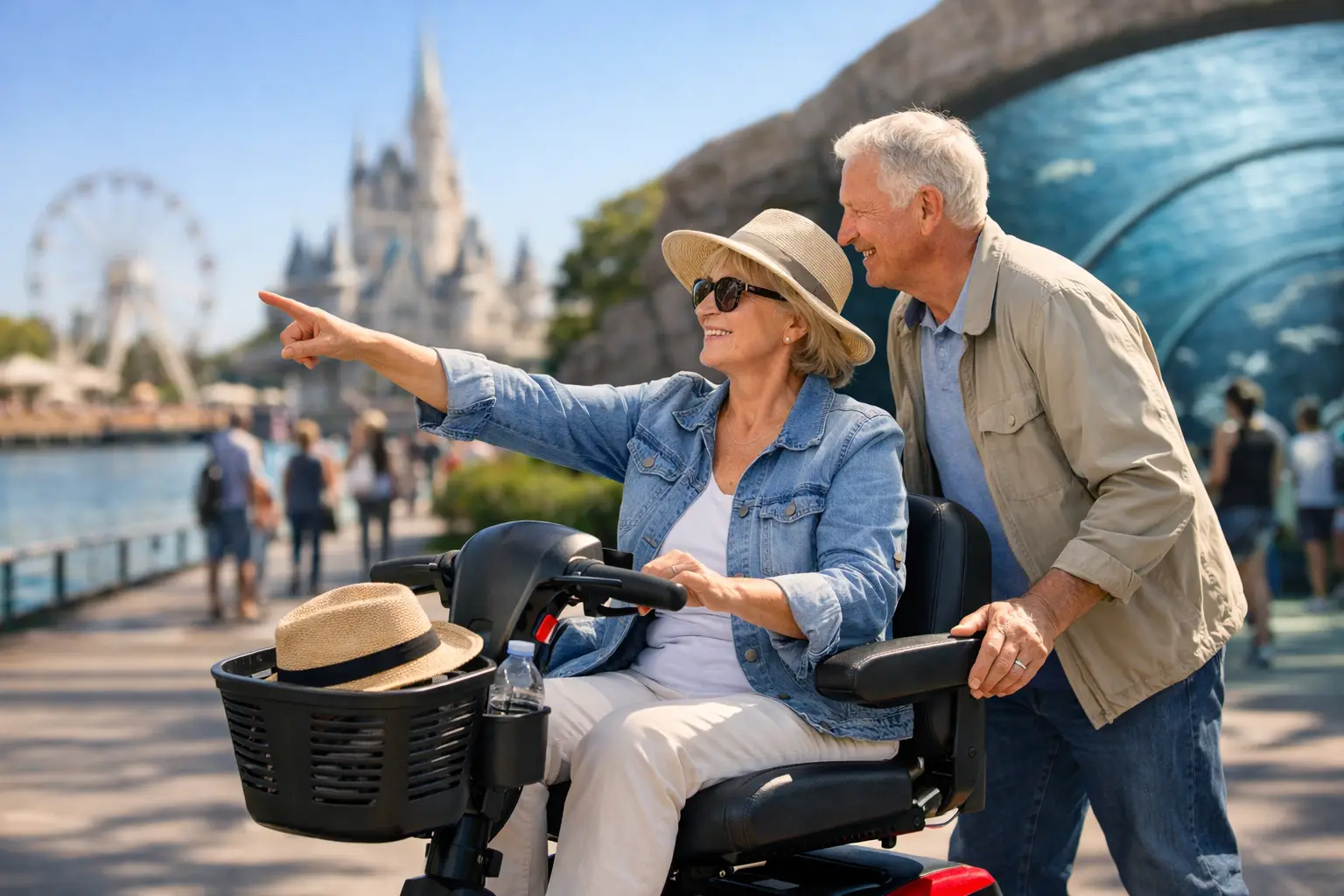
Some attractions look accessible on paper, then fall apart the moment you arrive. A single steep ramp, a gravel pathway, a broken lift or a long queue with nowhere to sit can turn a good day out into hard work. That is why finding the best attractions for mobility scooter users is less about glossy marketing and more about how a place works in real life.
The good news is that genuinely scooter-friendly attractions do exist, and when you find them, they can make travel feel straightforward again. The difference usually comes down to practical details - level access, sensible layouts, reliable lifts, accessible toilets in the right places, and staff who understand that access is not a favour.
What makes attractions the best for mobility scooter users?
The best attractions for mobility scooter users are not always the most famous ones. They are the places where you can get from the entrance to the main experience without being diverted through service doors, freight lifts or awkward back routes that make you feel like an afterthought.
Surface quality matters more than many non-disabled visitors realise. Smooth paving, indoor flooring, boardwalks and well-maintained paths make a huge difference to comfort and battery use. Deep gravel, cobbles, steep cambers and wet grass can quickly turn a promising day out into a draining one. A site might technically be accessible, but if you are fighting the ground all day, that is not good access.
Distance is another deciding factor. Large zoos, country estates and open-air heritage sites can be brilliant if they have decent rest points, clear route planning and enough space to move without constant bottlenecks. They can also be exhausting if the accessible route is much longer than the standard one. Bigger is not always better - sometimes a well-designed museum gives you a far better day than a sprawling site with patchy access.
Toilets, parking and transport links matter just as much as the attraction itself. There is little point in a step-free venue if the car park is chaos, the nearest accessible loo is a ten-minute journey away, or public transport drops you at the bottom of a steep hill.
Indoor attractions usually offer the easiest access
If you want a lower-risk day out, indoor attractions are often the safest bet. Modern museums, aquariums, visitor centres and large galleries tend to offer the most reliable access because they usually have lifts, level floors, automatic doors and a layout designed for year-round visitor flow.
Museums are often among the strongest options. Many have accessible entrances, wide galleries and seating spread around the building, which helps if you are travelling with someone who tires easily. They also tend to be easier in poor weather, which matters if rain affects your scooter or makes transfer points awkward.
Aquariums can be excellent as well, especially where lighting is controlled and routes are clearly marked. The one thing to check is turning space. Some aquarium tunnels and viewing points can become cramped at busy times, and that can make it harder to position a larger scooter without feeling in everybody's way.
Historic houses converted into visitor attractions are more mixed. Some have done the work properly with lifts, route adaptations and mobility vehicle access. Others still rely on partial access and expect visitors to be satisfied with seeing only the ground floor. If the key rooms are upstairs and there is no lift, honesty matters more than charm.
Outdoor sites can be brilliant - if the ground works
Outdoor attractions often sound less suitable, but that is not always true. Well-designed gardens, wildlife parks, promenades and accessible heritage grounds can be some of the best days out for mobility scooter users because they give you space, freedom and fewer indoor pinch points.
The question is always the surface. A compacted path is very different from loose gravel. A boardwalk can be ideal if it is wide enough and not too steep. Even a beautiful garden can become frustrating if every route includes rough stone, uneven edging or narrow gates.
Zoos and safari parks are worth considering because they are often built with families in mind, and that usually means wider routes and accessible facilities. But they can involve serious distances. If your scooter has a smaller battery range, or if charging during the day is not an option, plan carefully. Look at the map before you travel and decide what matters most rather than trying to cover every corner.
Seaside attractions can be fantastic too, especially where the promenade is level and the pier or waterfront route is properly maintained. Beach access is a different matter. Some places offer beach wheelchairs or accessible matting, but you should never assume that because a town is flat, the beach itself will be easy.
The attractions that tend to work best
Certain types of attractions consistently perform better for scooter users because their layout naturally supports access.
Large modern museums usually work well because routes are predictable and facilities are built in. Good aquariums and science centres also score highly for the same reason. Botanic gardens can be excellent when paths are sealed and gradients are manageable. Waterfront developments, city observation spaces and visitor centres also tend to be easier than old heritage sites full of stairs and narrow doorways.
Theme parks sit in the middle. Some are very good, with accessible route planning, ride transfer support and plenty of facilities. Others involve long travel distances, steep areas and queue arrangements that need advance understanding. A theme park can still be a great choice, but it needs more planning than a gallery or museum.
Castles, ruins and old town attractions are where expectations need to be realistic. These places can still be worth visiting, but access is often partial. You may get a good external experience and strong views without full entry to every section. That is not automatically a reason to rule them out, but it is better to know the trade-off before you set off.
How to spot a genuinely scooter-friendly attraction
Marketing words are cheap. What helps is specific information. Look for details on step-free routes, lift dimensions, path surfaces, accessible toilet locations, car park layout and whether mobility scooters are allowed throughout the site. If a venue only says it has “wheelchair access”, that tells you very little.
Photos can be more useful than access statements. Entrance thresholds, path width, flooring and gradients often tell the truth quickly. If you can see that the route is mostly cobbles or that the so-called accessible entrance is at the far end of a steep hill, that is valuable information.
It is also worth checking whether staff understand the difference between a manual wheelchair and a mobility scooter. Some venues are fine with wheelchairs but nervous about scooters because of space, historic interiors or lift limits. Better to have that conversation before the journey than at the ticket desk.
When possible, ring ahead with direct questions. Ask where the nearest accessible parking is, whether the main route includes gravel, whether there are any steep sections, and if there is a quiet time of day when moving around is easier. Specific questions usually get better answers.
Planning makes a good attraction better
Even the best attraction can be undermined by a poor arrival. Check parking first. Blue Badge bays that are technically present but always full are not much use. If you are using public transport, look beyond the station itself and think about the route from the station to the entrance.
Battery range matters more than people think, especially on larger sites. Cold weather, inclines and rougher surfaces can drain power faster than expected. If you are visiting somewhere spread out, pace the day and do not waste energy on unnecessary detours.
Think about timing as well. Quieter mornings often make entry easier, and staff have more time to help if needed. Busy weekends can mean congested routes, packed lifts and slower toilet access. A highly accessible attraction can still feel hard work when it is overcrowded.
If you travel with a carer, partner or family member, agree the plan before you arrive. Decide what to do if a route is blocked, where to stop for a break and what the priority areas are. That avoids stress and saves energy.
A realistic way to choose the right attraction
The right choice depends on what sort of day you want. If you want certainty and low stress, pick a modern indoor venue with reliable facilities and straightforward parking. If you want scenery and space, choose an outdoor site with known good paths and manageable distances. If your heart is set on heritage, go in with open eyes and accept that partial access may still be worth it.
That is often the difference between a disappointing day and a good one. The aim is not to force every attraction to fit. It is to choose places that respect your independence, work with your mobility needs and let you enjoy the visit instead of battling the basics.
If a place gives clear information, treats access as normal and allows you to get around with dignity, it has already done more than many attractions manage - and that is usually where the best days out begin.
0 Comments
Leave a Comment