
10 Best Accessible Museums in London
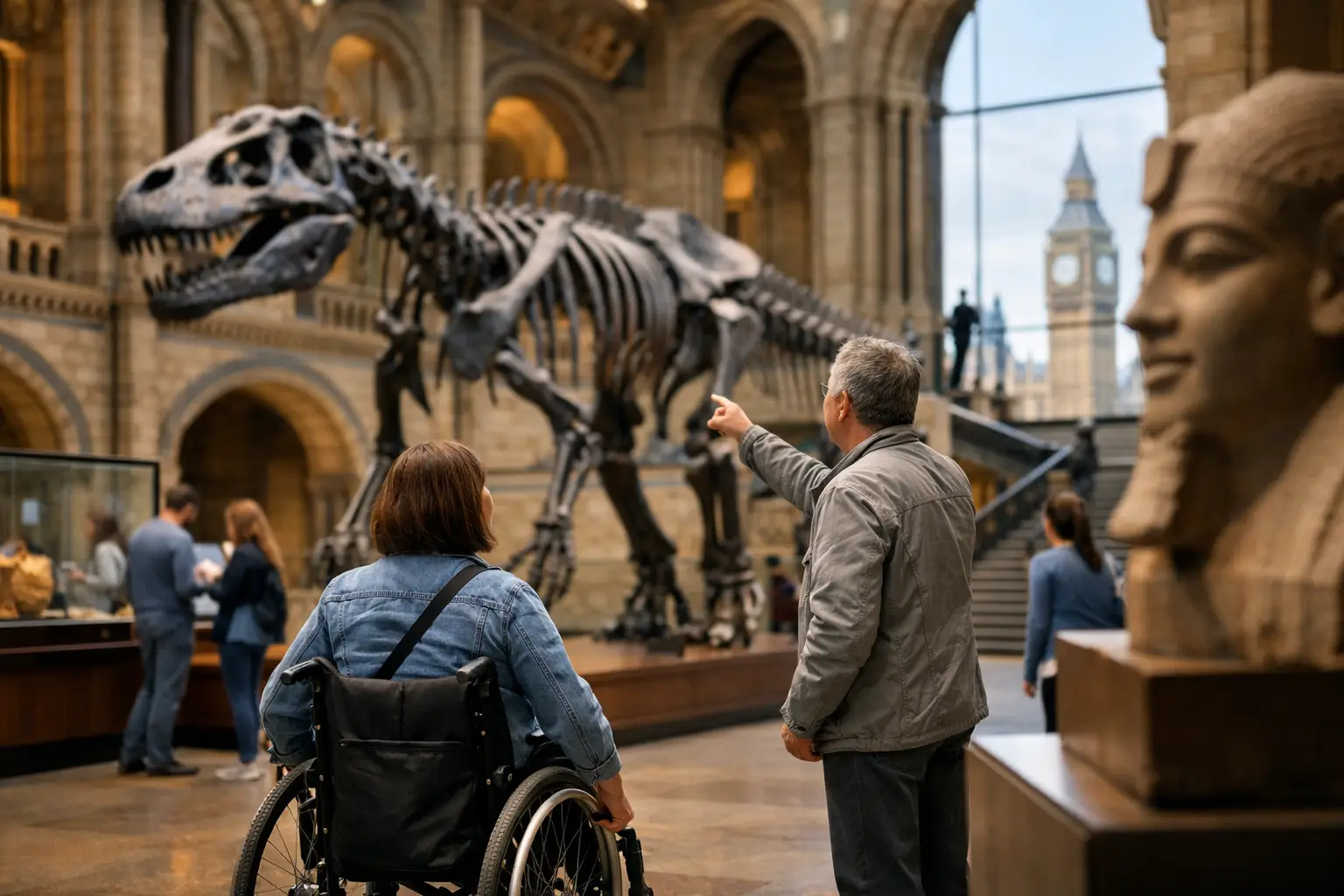
If you use a wheelchair or mobility scooter, a museum day in London can be brilliant or exhausting, and the difference usually comes down to details. The best accessible museums in London are not just the ones with a step-free entrance. They are the ones where you can get through the door easily, move around without constant workarounds, find a decent accessible loo, and enjoy the visit without feeling like an afterthought.
London does have plenty of strong museum options, but accessibility is rarely identical from one site to the next. Some older buildings have lifts tucked away in awkward corners. Some galleries are excellent on paper but tiring in practice because of distance, crowds or layout. That is why it helps to look past the headline claims and think about how a visit actually works on the ground.
What makes the best accessible museums in London
For most disabled travellers, access is about more than ramps. Entrance routes matter, but so do floor surfaces, lift reliability, seating, café space, toilet provision and whether staff understand what practical help looks like. If you are using a larger powered wheelchair or scooter, turning circles and lift size can be just as important as whether a venue calls itself accessible.
It also depends on the type of day you want. Some museums are ideal if you want a long, relaxed visit with plenty of space. Others are better for a shorter stop because the building gets busy, noisy or physically tiring. Honest expectations matter. A place can still be very good without being perfect.
1. The British Museum
The British Museum is one of the strongest all-round choices if you want a major London museum with serious substance and generally workable access. There is step-free access available, lifts between levels and accessible toilets, and the public areas are broad enough to make moving around easier than in many older landmarks.
That said, it is a large site and it can feel draining if you try to do too much in one go. The main challenge here is stamina rather than basic entry. If you use a mobility scooter, the extra space is helpful, but busy periods can still slow you down. Arriving earlier in the day usually makes the whole experience calmer.
2. Natural History Museum
This is one of the most popular museums in the capital, and for good reason, but popularity always brings a trade-off. In access terms, the museum has step-free routes, lifts and accessible facilities, and many visitors with mobility needs can have a very good day here. The big advantage is that there is a lot to see without the visit feeling too fragmented.
The downside is crowd pressure. Corridors and gallery entrances can become hard work when school groups and tourists build up. If you need room to manoeuvre or prefer a steadier pace, timing matters a lot. Early morning or quieter weekdays will usually be better than weekends and school holidays.
3. Science Museum
The Science Museum is often one of the easiest major museums to recommend for wheelchair users and scooter users because it combines strong visitor facilities with a practical internal layout. There are lifts, accessible toilets and step-free routes through much of the museum, and the galleries tend to feel manageable rather than awkwardly broken up.
It also suits mixed groups well. If you are visiting with children, grandchildren or non-disabled family members, this is the sort of place where everybody can stay engaged without the logistics becoming a battle. It is still a large venue, so pace yourself, but it usually feels more straightforward than some of London's grander historic sites.
4. Tate Modern
Tate Modern works well for many disabled visitors because of its scale and relatively open circulation areas. Compared with older museum buildings, it can feel less restrictive and easier to navigate, especially if you use a powered chair or scooter and do not want to squeeze through tight historic spaces all day.
One thing in its favour is flexibility. You do not have to commit to a full-day visit to get something from it. You can do a couple of galleries, stop for a rest, and still feel you have had a worthwhile outing. If your energy levels vary from day to day, that matters.
5. Museum of London Docklands
This is often a very practical option if you want a museum experience without the same intensity as the biggest central London attractions. The Museum of London Docklands is generally easier to handle in terms of pace, and many visitors will find the layout more manageable than they expect from a heritage-focused site.
It is especially good if you prefer museums where you can move steadily without being hemmed in all the time. It may not have the headline status of the British Museum or the Natural History Museum, but for some disabled travellers it will actually make for the better day out because the visit feels less physically demanding.
6. Imperial War Museum London
The Imperial War Museum London is another solid contender when looking at the best accessible museums in London. It offers step-free access, lifts and accessible toilets, and the building is usually navigable for wheelchair users with sensible planning.
What is worth bearing in mind is the emotional side of the visit as well as the physical one. This is a powerful museum and some galleries can feel intense. If you are already budgeting energy carefully, both mentally and physically, it may be better to focus on selected sections rather than trying to cover everything.
7. National Maritime Museum
The National Maritime Museum in Greenwich is one of the more comfortable museum experiences for visitors who want space, sensible circulation and a less cramped atmosphere. For wheelchair and mobility scooter users, that makes a real difference. You are more likely to spend your time looking at exhibits rather than negotiating pinch points every few minutes.
Greenwich itself can involve a bit more transport planning depending on where you are coming from, so this is one where the journey matters. But once you are there, the museum is often a good fit for a slower, more relaxed visit.
8. Wellcome Collection
The Wellcome Collection is a good choice if you want something central and more manageable in size. It is not the biggest museum experience in London, but that can be exactly the point. For disabled visitors who want a cultural stop without a full endurance test, it often hits the right balance.
Because it is smaller, it can suit people building a day around several accessible stops rather than one huge attraction. If long distances indoors are a problem, venues like this can be more useful than the blockbuster museums everyone else talks about.
9. V&A South Kensington
The V&A is a world-class museum and many areas are accessible, but this is one where honesty matters. It can be a superb visit, yet it is also a big and sometimes complicated building. If you enjoy decorative arts and design, it is absolutely worth considering, but it may take more route planning than some newer venues.
For wheelchair users, the key is to accept that not every part of a historic museum will feel equally simple. The V&A can still deliver a very good accessible day, just not always a completely effortless one. If you go in expecting to prioritise certain sections, you are likely to enjoy it more.
10. London Transport Museum
For many people with mobility needs, the London Transport Museum is appealing because it connects directly to the practical realities of getting around the city. It is also a museum where access planning often feels grounded in real visitor use rather than treated as an add-on.
It is particularly good if transport is part of your wider trip planning mindset. Museums are never just about what is inside the building. They are about whether the whole outing works. A venue that is enjoyable and easy enough to manage without wiping you out has real value.
Practical tips before you go
Even the best accessible museums in London can be undermined by poor timing or transport choices. If you can, avoid the busiest windows, especially weekends, school holidays and free-entry peak periods. A museum that feels accessible at 10 am can feel very different by lunchtime.
Check how you will arrive, not just how you will enter. The nearest Tube station may not be step-free, the pavement approach may be awkward, or the distance from accessible parking or a taxi drop-off might be longer than expected. This is where disabled travellers often get caught out.
It is also worth being realistic about energy. London museums can involve far more ground than the website suggests. Picking one museum and doing it properly is often better than trying to cram in three and ending the day in pain or frustration. That is not limiting yourself. That is travelling in a way that protects your independence.
If you want practical disabled travel advice built around real mobility needs, that is exactly the kind of approach Andy Wright Travel is built on. Good information saves energy, reduces stress and gives you more confidence to get out there.
London gives you genuine choice, which is not always the case elsewhere. Pick the museum that fits your pace, your interests and your transport plan, and the day is far more likely to feel like a proper day out rather than an access obstacle course.
0 Comments
Leave a Comment