
11 Accessible Travel Tips That Actually Help
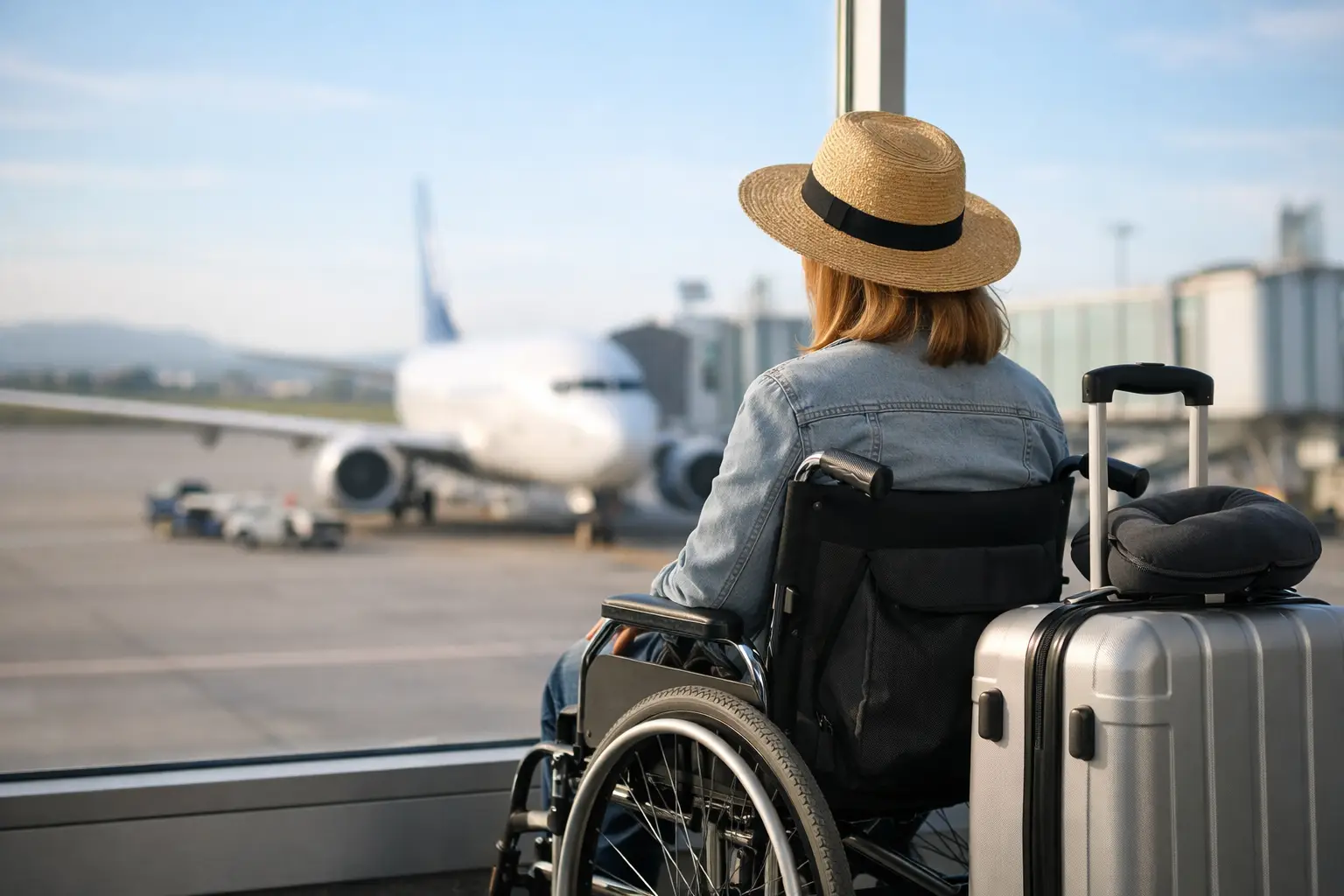
A hotel can call itself accessible because it has a grab rail in the bathroom. An airline can promise assistance and still leave you waiting on the aircraft after everyone else has gone. That gap between what is advertised and what actually works is exactly why accessible travel tips matter so much. If you use a wheelchair or mobility scooter, good planning is not about being fussy - it is what protects your independence.
The best trips usually start long before you leave home. Not with glossy photos, but with blunt questions. Can your scooter fit through the room door? Is the so-called wet room actually usable, or does water flood everywhere and make transfers awkward? Is there a dropped kerb outside the hotel, or will you be forced onto the road the moment you arrive? These details sound small until they stop a day out before it starts.
Accessible travel tips that save trouble later
One of the biggest mistakes people make is trusting the word accessible on its own. It is too vague to be useful. Ask for measurements, not labels. You need the door width, bed height, bathroom layout, shower type, ramp gradient and whether there is a step anywhere on the route from reception to the room. If you use a mobility scooter, ask about turning space inside the room and whether there is a safe place to charge overnight.
Photos matter as much as measurements. A hotel may say the bathroom is adapted, but one look at the layout can tell you whether you can actually get alongside the toilet or into the shower. If they do not have proper photos, that is usually a sign to keep asking questions rather than assuming the best.
Transport deserves the same level of scrutiny. A rail station may be step-free in one direction but not the other. A bus route may technically accept wheelchairs, yet be difficult if the driver rarely deploys the ramp properly or if the space is routinely blocked. Taxis can be another weak point, especially abroad, where an accessible vehicle may mean something very different from what you expect in the UK.
That is why it helps to build your day around verified access, not hopeful guesswork. If a destination is full of hills, cobbles or broken pavements, it may still be worth visiting, but you need to know that before you arrive. There is a big difference between a place being possible and a place being straightforward.
Start with the route, not the attraction
A museum may have a lift and accessible toilet, but that does not help much if the route from the nearest car park or station involves steep streets, narrow pavements or kerbs with no dropped access. For wheelchair and scooter users, the approach to a place is often more important than the official accessibility statement.
When planning a day out, check the full chain. Look at parking, drop-off points, pavement quality, entrance doors, internal lifts, toilet access and somewhere suitable to sit if you need a break. If one part of that chain fails, the whole outing becomes harder than it needs to be.
Street-level research is often what separates a good day from a frustrating one. Satellite maps help, but they do not always show poor surfaces, temporary barriers or awkward cambers. First-hand reviews from disabled travellers are far more useful because they tell you how a place works in practice. That is one reason brands like Andy Wright Travel are so valuable - they focus on the operational reality, not the brochure version.
Book accommodation with your equipment in mind
Hotels often think in terms of walking guests with limited mobility. That is not the same as designing for wheelchair users or mobility scooter users. A room can be labelled accessible and still be awkward if the furniture blocks turning space, the bed is too high for a safe transfer, or the bathroom door is too heavy to manage independently.
If you travel with a scooter, charging is another practical issue that gets missed. You need to know whether the charger can be used safely in the room and whether the scooter can be parked without blocking exits. If you have a larger powered wheelchair or scooter, check lift size as well. There is no point having an adapted room on an upper floor if you cannot fit in the lift.
Ground-floor rooms can seem like the obvious answer, but they are not always best. Sometimes they are furthest from reception, the restaurant or the accessible entrance. Sometimes upper floors have the better layout. It depends on the building, so the smartest move is to ask about the full route you will use, not just the room itself.
Flying needs more backup than people think
Air travel can absolutely be done, but it is one of the areas where paperwork and preparation really count. If you need airport assistance, book it early and then confirm it again closer to departure. Do not assume one request made at booking will carry through perfectly.
If you use a powered wheelchair or mobility scooter, battery rules are critical. Airlines differ, and so do airports. Check exactly what information they need about battery type, dimensions and weight. Send it in writing if possible and keep a copy with you. It saves arguments at check-in when staff are not familiar with mobility equipment.
It is also worth thinking about what happens if things go wrong. Delays are tiring for anyone, but they are far worse if you rely on assistance teams, accessible loos and transfer support. Carry medication, essentials, chargers and anything you need for comfort in your hand luggage. If your chair or scooter is handled for loading, take photos beforehand. That gives you a clear record if damage happens.
Accessible travel tips for pacing yourself
One trap many disabled travellers fall into is planning too much into a single day because so much effort has gone into getting there. That is understandable, but it can backfire. A route that looks manageable on a map can become draining if surfaces are rough, lifts are out of order, or assistance takes longer than expected.
Build space into the day. Not empty time for the sake of it, but room for delays, rest stops and changes of plan. If you are travelling with family or a carer, agree in advance what happens if part of the group wants to do something that is not accessible. It is much easier to handle that calmly when the expectation is set early.
This is especially true on cruises, city breaks and multi-stop tours. The more moving parts there are, the more useful it is to keep one part of the day simple. You do not need to prove anything by pushing through a schedule that leaves you shattered. Independence is not about doing everything. It is about making choices that work for you.
Have a Plan B that is genuinely usable
Backup planning is not pessimism. It is practical. If the beach access mat is missing, what is the alternative nearby? If the accessible taxi does not turn up, can you reach the hotel another way? If the lift at the station is out, do you know the nearest accessible station instead?
The key is to make your Plan B as specific as your main plan. A vague idea that you will sort something out on the day is not much help when you are tired, wet or stranded on a pavement. Keep addresses, phone numbers and screenshots where you can reach them easily, even without signal.
The same applies to equipment. A puncture repair kit, spare charger lead, waterproof cover or small cushion can make a huge difference. You do not need to pack for every possible disaster, but carrying the few things that commonly solve problems is worth the extra space.
Be realistic, not put off
Some destinations are brilliant for independent accessible travel. Others are possible, but only with more effort, more patience and lower expectations around infrastructure. That does not mean you should rule them out automatically. It means you should go in with your eyes open.
There is no prize for pretending poor access is acceptable, and there is no shame in deciding a place is not worth the hassle for you. Honest travel planning is about matching the trip to your needs, your equipment and your energy. Sometimes that means choosing the easier option. Sometimes it means taking on a more challenging destination because the experience matters enough to justify the extra work.
That balance is personal. What matters is having clear information, not sugar-coated promises.
The most useful travel advice for disabled people is rarely glamorous. It is the boring stuff that stops a problem becoming a ruined day - checking widths, confirming lifts, studying routes, asking awkward questions and refusing to be brushed off with vague reassurance. Do that, and travelling becomes far more achievable, not because barriers vanish, but because fewer of them catch you by surprise.
0 Comments
Leave a Comment