
12 Best Wheelchair Friendly Museums UK
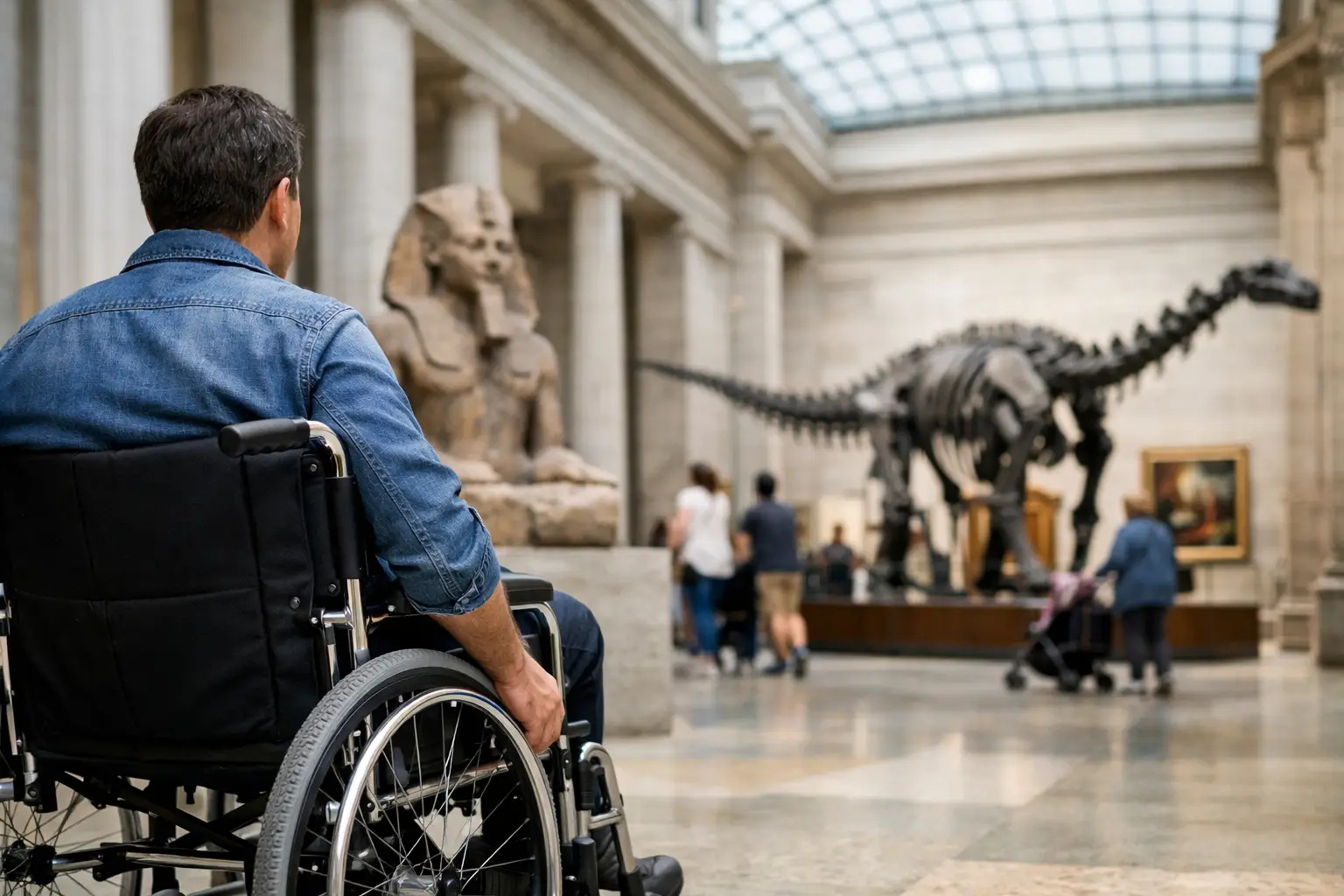
A good museum day out can fall apart fast if the access information is vague, the lift is out of order, or the route from the car park is harder than the gallery itself. That is why finding the best wheelchair friendly museums UK visitors can actually enjoy matters so much. It is not just about whether there is a ramp at the front door. It is about whether you can get around with confidence, use the loo without a struggle, and spend your energy on the exhibition rather than the logistics.
The museums below are strong choices for wheelchair users, mobility scooter users, and anyone planning around reduced mobility. Some are excellent because of step-free layouts and well-managed modern access. Others are older buildings that have clearly put real thought into making visits easier. As always, access can change, and repairs or temporary exhibitions can affect routes, so it still pays to check before travelling.
What makes the best wheelchair friendly museums UK options?
For most disabled travellers, the headline claims are not enough. Saying a museum is accessible is easy. What matters is how that works on the ground.
The best museums tend to get the basics right from start to finish. That means step-free or reliably managed entrance routes, lifts that cover the main floors, accessible toilets in sensible locations, seating throughout, and staff who understand that access questions are not awkward extras. Good access also means sensible circulation space. A gallery can technically be wheelchair accessible and still be frustrating if the layouts are tight, the doors are heavy, or temporary displays narrow the route.
If you use a larger powerchair or mobility scooter, it is worth remembering that historic buildings can still have pinch points. Some museums are brilliant overall but have one or two rooms that are awkward. Honest planning beats glossy promises every time.
12 of the best wheelchair friendly museums UK travellers should consider
National Railway Museum, York
This is one of the easiest major museums in the country for a relaxed, spacious visit. The galleries are spread across large halls, which makes a big difference if you do not want to spend the day negotiating narrow routes or constantly asking people to move aside.
York itself can be a mixed bag because of older streets and uneven surfaces, but once you are at the museum the experience is usually much more straightforward. There is a lot of room to manoeuvre, level access is generally good, and the scale of the exhibits works well for wheelchair users because you can enjoy plenty without awkward viewing angles.
Museum of Liverpool
If you want a modern museum building that was clearly designed with access in mind, this is a strong choice. The spaces are open, the lifts are reliable in the way you hope modern attractions will be, and the riverside location can make for a good wider day out if you are exploring Liverpool.
This is one of those places that tends to feel less tiring because you are not constantly dealing with compromises. That matters more than many non-disabled reviewers realise.
Science Museum, London
The Science Museum is popular for a reason, and from an access point of view it is one of the better large London museums. It is busy, especially during school holidays, but the internal infrastructure is generally well set up for wheelchair users.
The trade-off is crowding. A place can be physically accessible and still become hard work if galleries are packed. If you prefer a calmer visit, aim for quieter weekday periods outside peak family travel times.
Natural History Museum, London
This museum is housed in one of the most impressive buildings in the country, but older grandeur can sometimes come with access headaches. Here, the overall experience is still very workable, thanks to lifts, step-free routes to key areas, and solid visitor management.
You may find some sections easier than others, and busy periods can again make things more tiring than they need to be. Still, for a major historic museum, it is far more accessible than many people expect.
Imperial War Museum, London
The Imperial War Museum combines strong exhibits with a layout that is generally practical for wheelchair users. Wide spaces, lift access and good circulation make it a museum where you can focus on the content rather than spend the day planning every turn.
Because of the subject matter, some exhibits are naturally more enclosed or immersive, so your experience may vary gallery by gallery. Even so, it is usually a dependable option in London for disabled visitors who want fewer physical barriers.
V&A Dundee
Modern design often helps, and V&A Dundee is a good example. The building is contemporary, the circulation space is generous, and the overall feel is easier for wheelchair users than many older cultural venues.
Dundee is also a city where a waterfront visit can fit neatly into the rest of your day. If you are building an accessible city break in Scotland, this is one of the museums worth putting near the top of the list.
Riverside Museum, Glasgow
This is another museum that benefits from a modern setup and plenty of internal space. Transport museums can be hit and miss, especially when older vehicles are part of the attraction, but the museum experience itself is usually very accessible.
As with many attraction sites, the challenge is sometimes less the main building and more the wider day planning, including parking, drop-off and weather exposure near the waterfront. That is manageable, but worth thinking about in advance.
The National Museum of Scotland, Edinburgh
This museum offers a lot under one roof, which is useful if you want a full day without multiple venue changes. Access is generally strong, with lifts and step-free movement through most main areas.
Edinburgh can be tough because of gradients, cobbles and older urban design, so this is one where arrival planning matters. Once inside, though, it is one of the better major museums for a wheelchair-friendly visit in Scotland.
Titanic Belfast
Technically more an attraction experience than a traditional museum, Titanic Belfast still deserves a place here because it is one of the most accessible large visitor venues around. The building is modern, the lifts and routes are well integrated, and the presentation has been built for high visitor numbers.
If you are travelling from mainland Britain, this is the kind of place that can justify a dedicated accessible short break. The surrounding Titanic Quarter is also generally easier to navigate than many older city-centre areas.
Kelvingrove Art Gallery and Museum, Glasgow
Kelvingrove is a good example of a historic museum that still works well for many disabled visitors. The building has character, and that always brings a few practical limits, but it has enough access support in place to make it a realistic option rather than a stressful one.
The benefit here is getting that grand museum feel without completely sacrificing usability. Just allow extra time, especially if you prefer not to rush between floors.
Royal Armouries Museum, Leeds
This is often a very solid choice for wheelchair users because the museum is modern in feel, spacious and straightforward to move around. Big galleries help, and so does a site layout that does not constantly throw up awkward little barriers.
Leeds can work well for an accessible city day or overnight stop, and the museum is one of the easier major attractions to add into that plan.
Tate Modern, London
For wheelchair users who enjoy art galleries but dread cramped heritage spaces, Tate Modern is one of the easiest picks. It is large, lift-served and built around movement on a serious scale.
The only real downside is that scale can mean extra mileage. If fatigue is a factor, pace yourself and do not assume that because a site is accessible it will also be low-effort. Sometimes those are different things.
How to choose the right museum for your access needs
The best wheelchair friendly museums UK travellers rave about are not always the best ones for every individual visitor. It depends on your chair or scooter, your stamina, whether you need Changing Places facilities, and how you are arriving.
If you use a mobility scooter, check size restrictions and whether all floors are genuinely scooter-friendly rather than merely wheelchair accessible. If you can manage only short distances from parking to entrance, look beyond the museum website and think about the whole journey. A brilliant museum with a steep approach or awkward blue badge parking can still turn into a poor day out.
It is also worth phoning ahead if anything is unclear. That is not old-fashioned. It is practical. You can often learn more in five minutes with the visitor team than from a polished accessibility page that leaves out the detail you actually need.
A few realities worth keeping in mind
Even the best accessible museums are rarely perfect. Temporary exhibitions can tighten routes. Historic buildings can create compromises. Cafes and gift shops are sometimes more awkward than the galleries. And toilets that look fine on a plan can still be badly laid out in practice.
That does not mean you should lower your expectations. It means you should plan with your eyes open. Real accessibility is about reducing stress and protecting your independence, not ticking a compliance box.
If you are building future trips around reliable access, museums like these are a good place to start. A well-run accessible attraction gives you something every disabled traveller values - the freedom to enjoy the day without fighting for it.